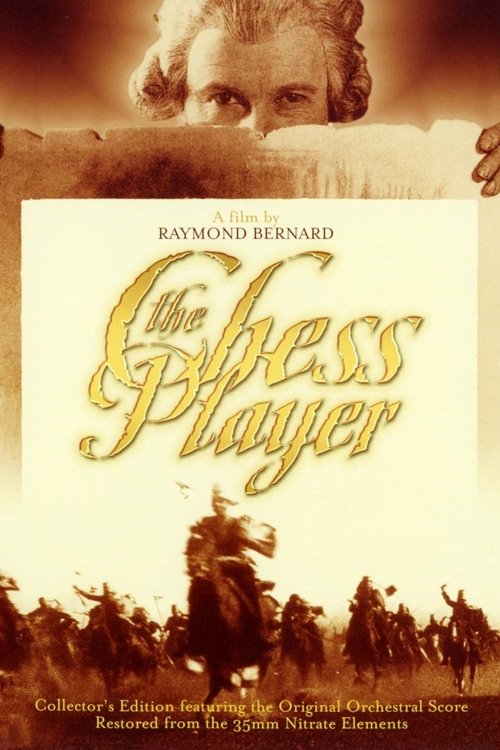
The Chess Player
1927
No user ratings available yet
Representation score: 1.3 out of 10
Representation Score
Limited
1938
Director
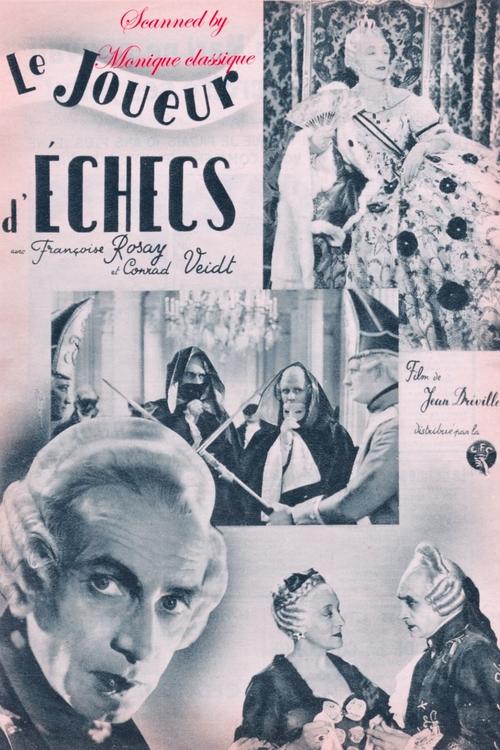
Jean Dréville
Runtime
70 minutes
Average Rating
No ratings yetNew Showbiz Analysis
Jean Dréville’s 1938 drama offers a humanistic look at individual ability to act against systemic oppression. By centering a Polish activist's struggle against Russian occupation, the film explores themes of ethnic resistance and national identity. While the film successfully portrays female political ability to act and cultural defiance, it lacks modern multi-layered markers. The absence of LGBTQ+ representation and diverse racial casting keeps the score grounded in its historical context. Ultimately, the film is a study of resistance, using sophisticated symbolism to critique the dehumanizing nature of political conflict and state power.
Category Breakdown
The film does not include any LGBTQ+ characters or narratives. The relationship between the toymaker and the activist follows traditional romantic or protective patterns typical of the time.
A female Polish activist plays a central role in the political struggle, driving the plot with her survival and mission. She is not portrayed as a passive figure but as an active participant in the political sphere.
Set in occupied Poland, the film focuses on the perspective of a underrepresented ethnic group. It delves into themes of national sovereignty and resistance against Russian imperial forces.
The narrative criticizes imperial authority by depicting the Russian occupation as an oppressive system. The use of a mechanical automaton symbolizes resistance against dehumanizing state surveillance.
There is no mention of characters with visible or invisible disabilities within the narrative.
Present on Screen
Limited or Absent
Official Synopsis
A toymaker in Poland specializes in building lifesize mechanical men. He builds a chess-playing "automaton" to hide a pretty young Polish activist who is being hunted by occupying Russian forces.
1927

2024
1973
2014

1981

2021

2016

2016
No reviews yet. Be the first to share your thoughts on this movie!
Use the rating form above to leave a star rating and optional review.