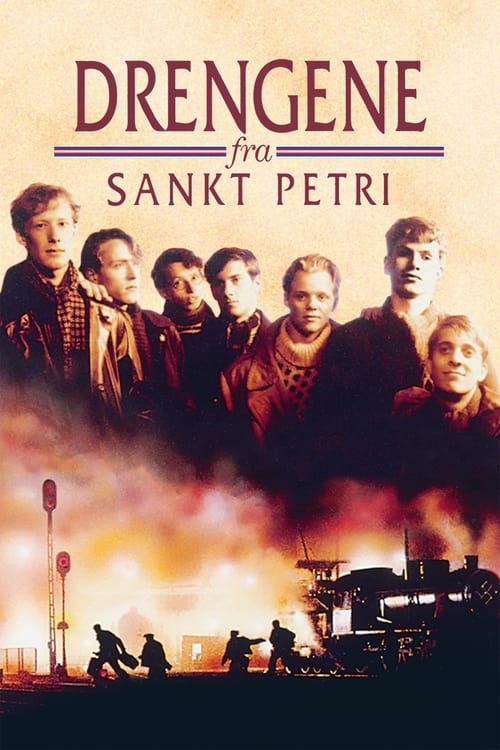
The Boys from St. Petri
1991
No user ratings available yet
Representation score: 3.0 out of 10
Representation Score
Fair
1950
Director
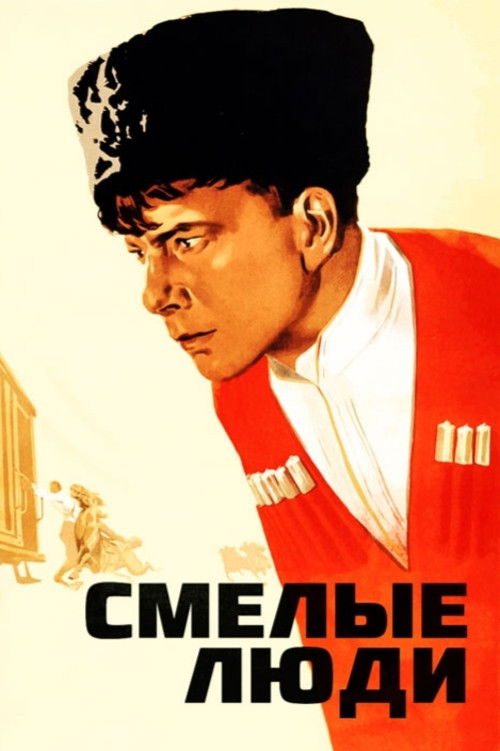
Konstantin Yudin
Runtime
0 minutes
Average Rating
No ratings yetNew Showbiz Analysis
The film serves as a tool for systemic critique, focusing on anti-capitalist and anti-institutional themes. It centers the working class and peasants as the main drivers of historical change, challenging traditional class hierarchies. While it effectively portrays a multi-ethnic collective identity, it lacks representation of LGBTQ+ and disability issues. The narrative structure is purposeful in addressing social class but is limited by the cinematic norms of its time.
Category Breakdown
The film adheres to the assumption that everyone is straight and cisgender, with no depiction of non-traditional gender identities or same-sex relationships.
Women are shown as active participants in defending the state, taking part in combat and political activities. However, their roles are still tied to the revolutionary context of the time.
The cast includes actors from various ethnic backgrounds to represent the multi-ethnic makeup of the Soviet Union, emphasizing a collective identity focused on the revolutionary cause.
The story prioritizes secular, revolutionary values over religious traditions, framing the workers' struggle as a necessary rebellion against oppressive hierarchies.
There are no specific depictions of physical or neurodivergent disabilities in the film.
Present on Screen
Limited or Absent
Official Synopsis
A boy breeds horses on the plains between Belarus and the Caucasus. When the German invasion comes he joins the partisans as a horseman.
1991

1969

1968
1962

1949

2006

1964
1959
No reviews yet. Be the first to share your thoughts on this movie!
Use the rating form above to leave a star rating and optional review.