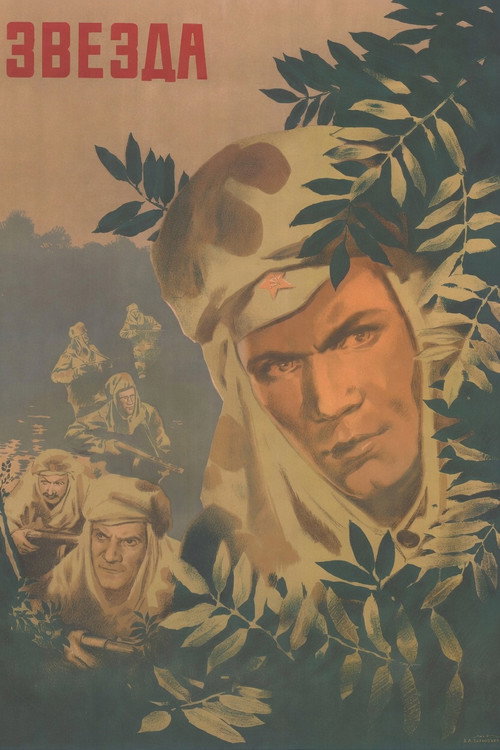
The Star
1949
No user ratings available yet
Representation score: 1.8 out of 10

Representation Score
Limited
2006
Director
Aleksandr Atanesyan
Runtime
97 minutes
Average Rating
No ratings yetNew Showbiz Analysis
Bastards operates as a conventional historical war drama. It prioritizes the gritty realism of the Eastern Front and the collective experience of the Soviet military over exploring diverse identities. The film relies heavily on established wartime archetypes. While it captures the multi-ethnic reality of the Soviet Union, it does so through a lens of state-centric patriotism rather than intentional social subversion. Ultimately, the narrative structure focuses on the functional requirements of the war genre. It highlights the psychological toll of conflict rather than deconstructing social hierarchies.
Category Breakdown
The film does not include any LGBTQ+ characters or narratives. It stays within the traditional social boundaries of a Soviet WWII setting.
The story centers on male protagonists within a military hierarchy. The film relies on traditional, traumatized masculine archetypes rather than challenging gender roles.
The cast reflects the multi-ethnic composition of the USSR. However, the film focuses on the collective Soviet struggle rather than breaking down ethnic hierarchies.
The narrative emphasizes patriotism and the collective struggle of the state. It functions as a traditional war epic centered on defending the Soviet Union.
Physical injuries and psychological trauma serve as plot devices to highlight the brutality of war. There are no nuanced explorations of neurodivergence or disability ability to act.
Present on Screen
Limited or Absent
Official Synopsis
A "Hitlerjugend" kind of story, set in the Soviet Union during the Second World War, based on a fictitious story from the eponymous book by Vladimir Kunin.
1949

2002

1964
2010

2004
2006
2009
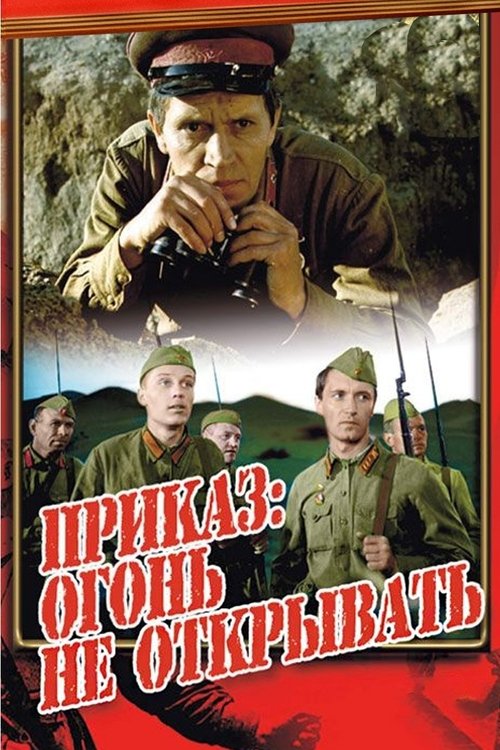
1981
No reviews yet. Be the first to share your thoughts on this movie!
Use the rating form above to leave a star rating and optional review.