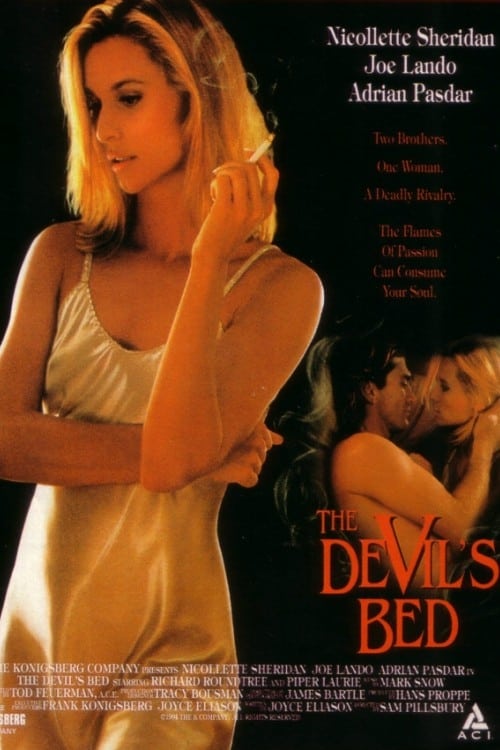
Shadows of Desire
1994
No user ratings available yet
Representation score: 0.8 out of 10
Representation Score
Limited
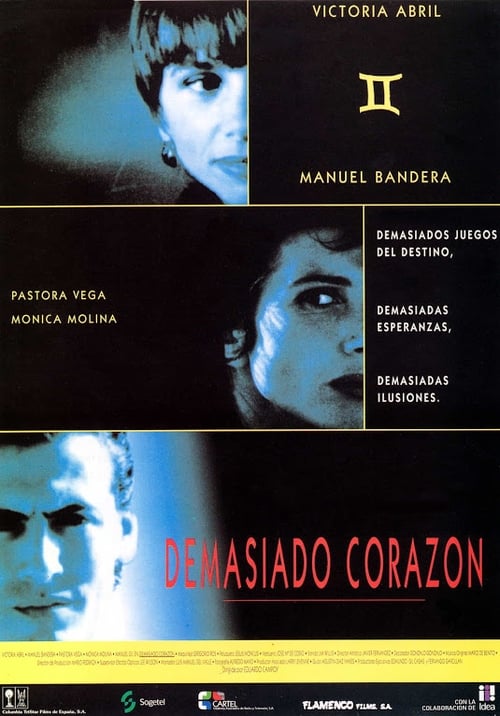
1992
Director
Eduardo Campoy
Runtime
90 minutes
Average Rating
No ratings yetNew Showbiz Analysis
Too Much Heart operates as a conventional thriller and drama, emphasizing interpersonal melodrama. The narrative structure centers on the domestic conflict between twin sisters, prioritizing emotional tension over broader social commentary. While the film features women as central characters, it does so through a traditional lens. The central conflict revolves around romantic competition for a single man, reinforcing gender clichés rather than challenging them. Overall, the film lacks depth in reflecting multiple aspects of identity. It avoids exploring systemic hierarchies or diverse identities, focusing instead on a character-driven story about domestic rivalry.
Category Breakdown
The story focuses on a heterosexual relationship involving two sisters and one man. It does not include any non-binary or transgender identities and does not critique the assumption that everyone is straight or cisgender.
Female characters drive the drama, but their roles are limited to traditional romantic competition. The plot relies on established clichés about women competing for a man's attention.
There is insufficient information to determine the racial composition of the cast. The narrative does not provide details on non-Anglo-Saxon majority dynamics.
The film emphasizes personal emotions and romantic rivalry. It does not address secularism, anti-capitalism, or broader societal critiques.
The narrative does not mention physical disabilities, neurodivergence, or mental health issues as central plot drivers.
Present on Screen
Limited or Absent
Official Synopsis
Two twin sisters fall in love for the same man.
1994

1987
1996

1986
1979
1951

1999
1962
No reviews yet. Be the first to share your thoughts on this movie!
Use the rating form above to leave a star rating and optional review.