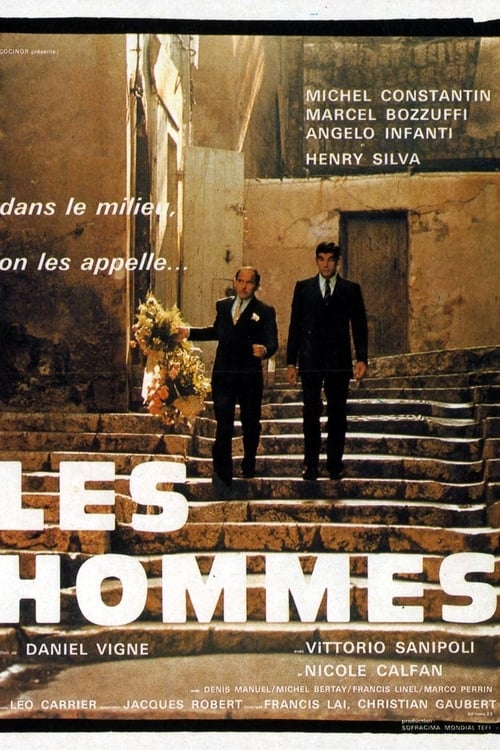
Killing in the Sun
1973
No user ratings available yet
Representation score: 6.1 out of 10
Representation Score
Minimal
1973
RDirector
Richard Fleischer
Runtime
106 minutes
Average Rating
No ratings yetNew Showbiz Analysis
The film serves as a period-specific crime drama that emphasizes traditional social hierarchies. It centers on the violent internal politics of a patriarchal underworld, limiting character development and social commentary. While it offers a specific cultural perspective on 1930s Italian-American organized crime, it remains demographically homogeneous. The narrative does not attempt to challenge the era's social constraints or introduce diverse ethnic perspectives into the central conflict. Ultimately, the production adheres to established genre conventions without disrupting gender, racial, or social norms.
Category Breakdown
The film does not include any LGBTQ+ characters or explore non-straight identities. It focuses on traditional masculine roles without delving into queer identities.
The power structures in the film revolve around male hierarchies and patriarchal criminal organizations. Women are portrayed as secondary figures or catalysts for male actions rather than independent agents.
The casting reflects the historical homogeneity of 1930s Italian-American syndicates. The cast is predominantly white and lacks broader racial or ethnic diversity.
The film follows standard crime drama clichés without critiquing Western institutions. It portrays crime as a professionalized socioeconomic structure rather than a means for social liberation.
There is no visible or invisible disability representation. Characters are defined by their criminal roles rather than neurodivergence or physical challenges.
Present on Screen
Limited or Absent
Official Synopsis
After his mistress is murdered, a Mafia leader goes after the killer with a bloody vengeance. Soon after the hunt begins, a gang war ensues.
1973
1972

1973
1972
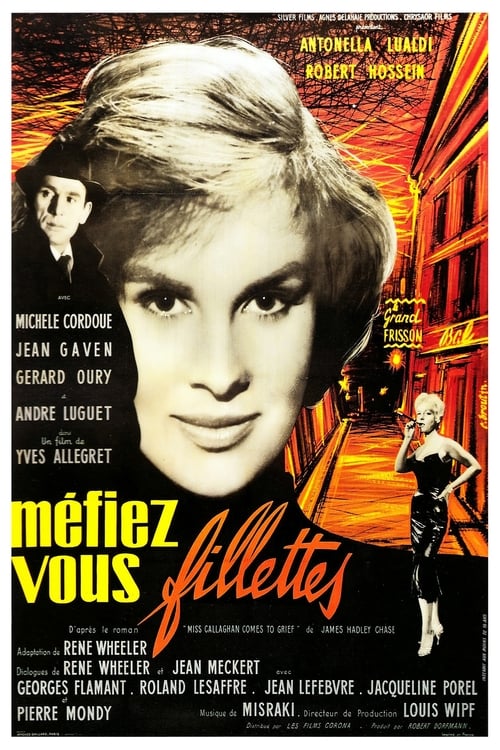
1957
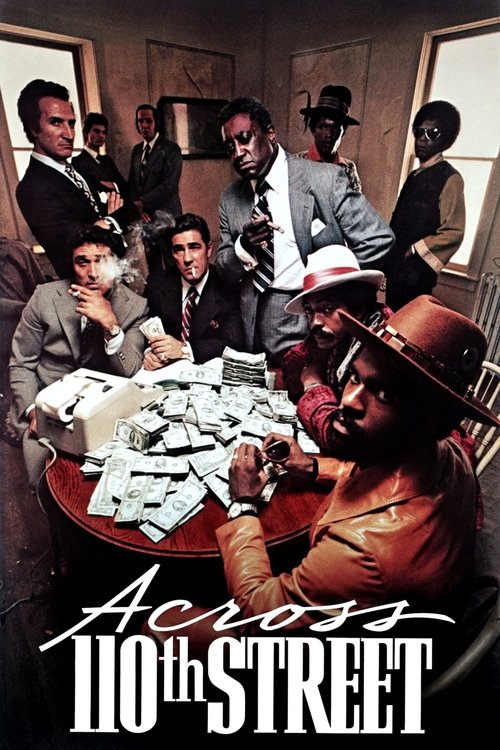
1972
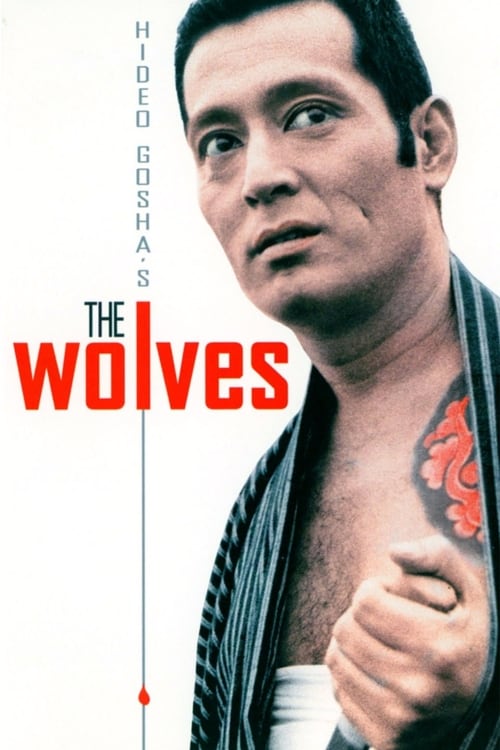
1971

1971
No reviews yet. Be the first to share your thoughts on this movie!
Use the rating form above to leave a star rating and optional review.