
Carmina and Amen
2014
No user ratings available yet
Representation score: 6.8 out of 10
Representation Score
Fair
2016
RDirector
Pol Rodríguez
Runtime
92 minutes
Average Rating
No ratings yetNew Showbiz Analysis
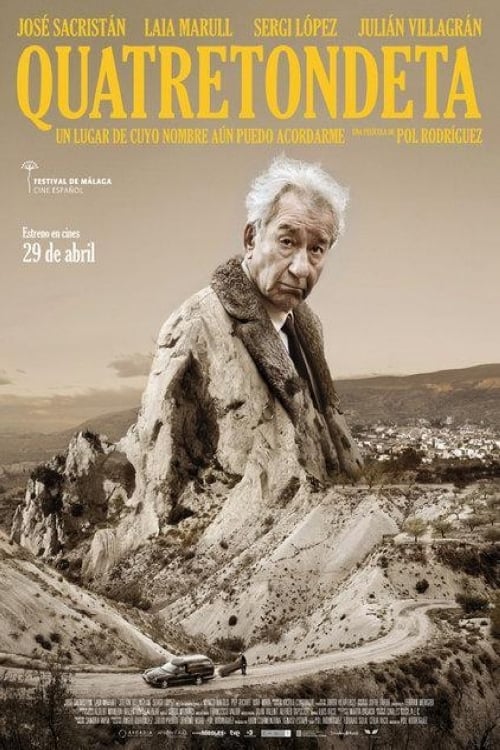
Quatretondeta is a localized dramedy that emphasizes individual autonomy over systemic rigidity. While it lacks demographic diversity, it finds progressive value in its focus on personal autonomy. The film's strength lies in its challenge to institutional authority. By centering the plot on a man defying bureaucracy to honor his wife's wishes, it elevates personal morality above formal law. However, the film remains demographically narrow. It offers little in the way of racial, ethnic, or LGBTQ+ diversity, sticking instead to a traditional, homogeneous portrayal of rural Spanish life.
Category Breakdown
The film follows a traditional storyline that assumes everyone is straight or cisgender. There are no characters or narratives that address LGBTQ+ identities.
The story is driven by the protagonist's desire to honor his late wife's autonomy, shifting the female character from a passive role to the central motivator of the plot.
The setting and cast suggest a homogeneous population typical of rural Mediterranean life. The narrative focuses on regional identity without exploring multicultural or ethnic backgrounds.
The story challenges institutional authority by emphasizing personal morality over legal bureaucracy. It portrays a struggle to uphold the wishes of the deceased against rigid state and family structures.
There are no visible or mentioned depictions of physical, neurodivergent, or mental health disabilities in the narrative.
Present on Screen
Limited or Absent
Official Synopsis
The wife of senior Tomás (José Sacristán) passed away, but they don't let him bury her, because the family of the deceased wants to repatriate the body to Paris. So Tomás steals the corpse to be able to bury it in Quatretondeta, a little village in the region of Alicante (Spain), as his wife had wanted.
2014

2006

2017

1963

2008
2020

2007
2019
No reviews yet. Be the first to share your thoughts on this movie!
Use the rating form above to leave a star rating and optional review.