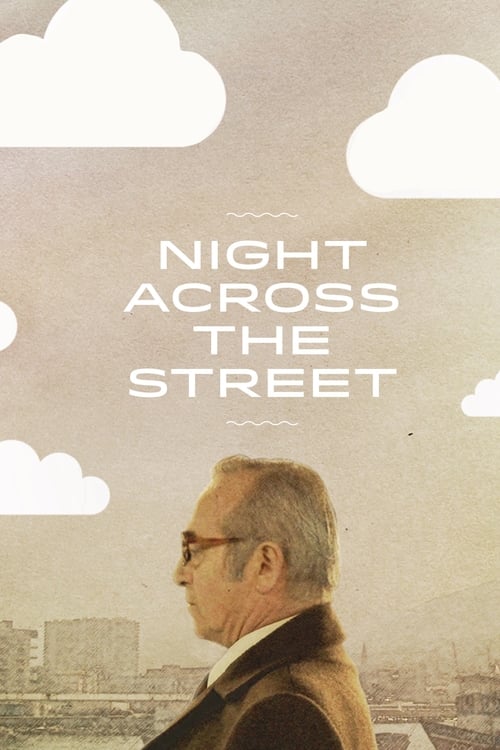
Night Across the Street
2012
No user ratings available yet
Representation score: 7.6 out of 10

Representation Score
Fair
2004
Director
Raúl Ruiz
Runtime
87 minutes
Average Rating
No ratings yetNew Showbiz Analysis
Raúl Ruiz presents a postmodern exploration of memory and truth that prioritizes intellectual complexity over broad demographic representation. The film successfully challenges historical certainties and traditional narrative structures, offering a sophisticated critique of social institutions through moral relativism. However, the work remains limited by its historical setting, resulting in low scores for racial and LGBTQ+ visibility. The cast is largely homogeneous, reflecting the specific European aristocratic context of the era. Ultimately, the film's value lies in its philosophical depth rather than its representation of diverse identities, making it a cerebral experience that challenges the viewer's perception of reality.
Category Breakdown
The film does not focus on LGBTQ+ identities or same-sex relationships. While the surreal elements allow for various interpretations of desire, there are no LGBTQ+ characters who significantly influence the plot.
The narrative examines the psychological constraints and limited roles of women in 19th-century aristocratic society. It challenges the stereotype of passive female subjects by exploring their internal complexities.
Set in 19th-century France, the cast is primarily white European. The film highlights socioeconomic differences between the aristocracy and staff but does not emphasize racial diversity.
The film excels by rejecting singular, objective truths in favor of a subjective, postmodern viewpoint. It uses strict social etiquette to highlight the instability of traditional institutions.
There is no significant portrayal of physical or neurodivergent disabilities within the narrative.
Present on Screen
Limited or Absent
Official Synopsis
In a bar in Santiago, two old men talk over their past. This is a strange discussion. In fact, they talk of themselves as if they were dead. We don't know what is true or false, what is dream or reality.
2012
1973

1995
1974
1999
2018
1984
2005
No reviews yet. Be the first to share your thoughts on this movie!
Use the rating form above to leave a star rating and optional review.