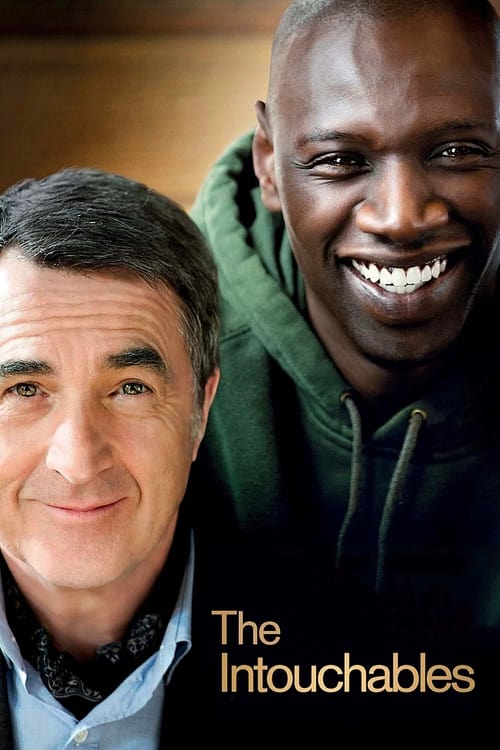
The Intouchables
2011
No user ratings available yet
Diversity score: 6.7 out of 10

2018
Not RatedDirector
Siddharth P. Malhotra
Runtime
116 minutes
Average Rating
No ratings yetSynopsis
After finally landing a teaching job, a kindhearted woman with Tourette Syndrome faces a flawed system to provide an education to her forgotten students.
Overall Score
Good
Category Breakdown
LGBTQ+ Representation
The film does not feature LGBTQ+ characters or explore non-cisnormative identities. The narrative focus remains strictly on neurodiversity and class dynamics.
Gender Representation
Naina Mathur subverts traditional hierarchies by occupying a position of intellectual and professional authority. She exercises agency to reshape her environment, challenging the trope of the submissive female educator.
Racial & Ethnic Diversity
The story uses socioeconomic divides as a proxy for intersectional identity. It highlights the friction between privileged students and underprivileged groups to mirror broader societal stratification.
Religious & Cultural Diversity
The film critiques elite private institutions as inherently exclusionary. It frames student conflict as a byproduct of systemic privilege and social conditioning rather than inherent malice.
Disability Representation
Centering on Tourette syndrome, the film avoids 'inspiration porn' by focusing on systemic barriers. The protagonist's neurodivergence is a fundamental identity rather than a plot device to be cured.
Strengths
Areas for Improvement
AI Analysis
Hichki serves as a sophisticated social commentary that dismantles rigid hierarchies through the lens of neurodiversity. By placing a protagonist with Tourette syndrome in a position of leadership, the film disrupts conventional expectations of perfection and institutional authority. The narrative successfully bridges the gap between marginalized and privileged groups, using a pedagogical setting to critique systemic exclusion. It moves beyond simple tropes to offer a nuanced look at how social conditioning shapes behavior. While the film excels in disability and gender representation, it lacks engagement with LGBTQ+ identities. However, its exploration of class-based stratification provides a strong substitute for discussing broader intersectional identities.
2011
2021
2021
2009

2020

2016

2021

2019
2018
2020
2010
2007
No reviews yet. Be the first to share your thoughts on this movie!
Use the rating form above to leave a star rating and optional review.