
Life After Death
2020
No user ratings available yet
Representation score: 7.2 out of 10
Representation Score
Good
2021
TV-14Director
Umesh Bist
Runtime
114 minutes
Average Rating
No ratings yetNew Showbiz Analysis
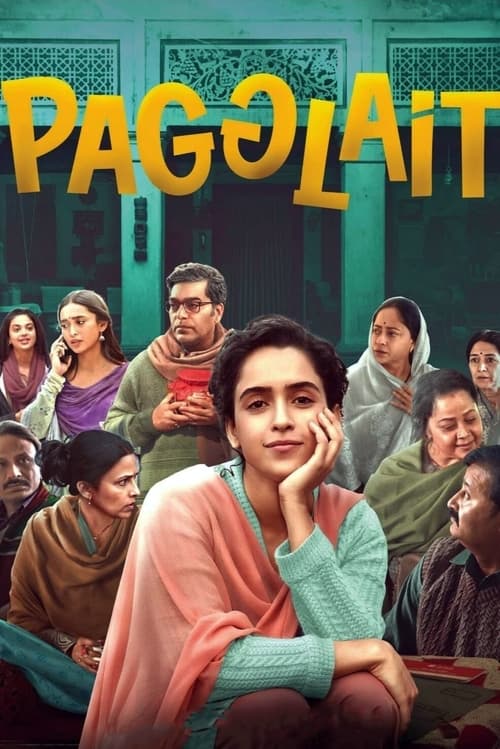
Pagglait is a character-driven film that examines the performative nature of grief within a traditional domestic setting. It excels by centering a woman's struggle for autonomy against patriarchal family structures and restrictive mourning rituals. The film's strength lies in its cultural specificity and its critique of systemic social norms. By highlighting individual emotional autonomy as a challenge to tradition, it disrupts conventional domestic clichés. However, the narrative lacks engagement with LGBTQ+ identities and does not provide a dedicated exploration of neurodivergence or chronic illness, leaving those areas largely unaddressed.
Category Breakdown
The film does not include LGBTQ+ characters or explore non-straight relationships. It focuses solely on heterosexual relationships and widows within traditional structures.
The story challenges traditional gender roles by giving the female protagonist a strong role against patriarchal expectations. It highlights the emotional labor and rigid social scripts imposed on women.
A predominantly South Asian cast provides an authentic middle-class Indian setting. This avoids a white-centric perspective, offering nuanced insights into regional social structures.
The film critiques rigid religious and familial death rituals. It contrasts public grief performances with the protagonist's private, non-conforming emotional reality.
The film explores the psychological inability to process grief but does not focus on specific disabilities. Mental health serves as a thematic element rather than a central focus.
Present on Screen
Limited or Absent
Official Synopsis
Widowed soon after marriage, a young woman grapples with an inability to grieve, quirky relatives and a startling discovery about her late husband.
2020

2024
2022

2018

2019

2021

2021

2022
No reviews yet. Be the first to share your thoughts on this movie!
Use the rating form above to leave a star rating and optional review.