
MURDER and murder
1996
No user ratings available yet
Representation score: 5.9 out of 10
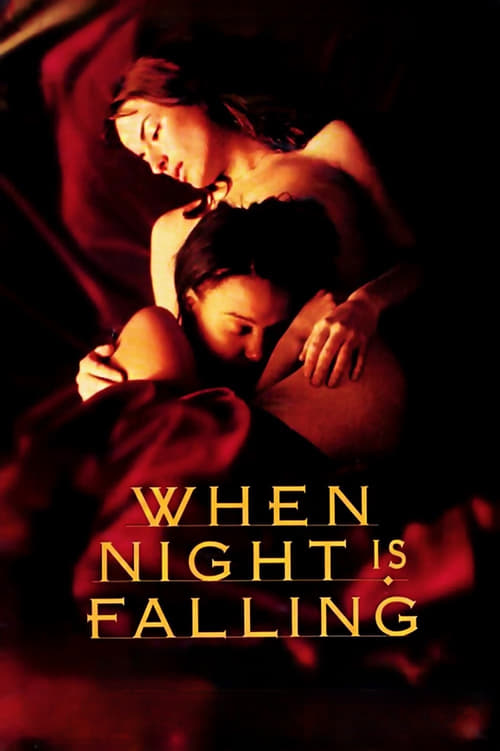
Representation Score
Good
1995
UnratedDirector
Patricia Rozema
Runtime
96 minutes
Average Rating
No ratings yetNew Showbiz Analysis
Patricia Rozema’s film is a progressive exploration of identity that challenges traditional gender roles and religious norms. By centering a lesbian romance, the narrative transforms queer desire into a vehicle for personal and spiritual growth. The film effectively subverts gender hierarchies and offers a sophisticated critique of institutionalized religion. It portrays the protagonist's journey away from societal norms as essential for self-realization. However, the film lacks multi-layered depth, with a setting that remains socio-culturally homogeneous. While it adeptly deconstructs social constraints, it does not address racial diversity or disability representation.
Category Breakdown
The film focuses on a lesbian relationship between Camille and Petra, presenting it as a path to spiritual authenticity rather than a minor plot point.
Women's empowerment and independence are key themes. Camille rejects traditional roles to pursue her intellectual and emotional freedom, challenging patriarchal structures.
The setting seems predominantly homogeneous, centered around a specific Canadian socio-religious community. There is limited evidence of diverse racial or ethnic representation in the cast.
The film critiques rigid religious doctrines and Western institutions. It highlights the conflict between personal truth and institutional authority, portraying it as a struggle for freedom.
The film provides no specific evidence regarding the depiction of visible or invisible disabilities.
Present on Screen
Limited or Absent
Official Synopsis
Camille is a professor at a Protestant college and is in a long-term relationship with Martin, a respected minister and fellow professor. When Camille meets Petra, a bold and flamboyant performer in a circus troupe, she is inexplicably drawn. Pursuing Petra, Camille throws her whole conservative life into disarray.
1996
1989
2003
1931
1998

1985

1992
1969
No reviews yet. Be the first to share your thoughts on this movie!
Use the rating form above to leave a star rating and optional review.