
MURDER and murder
1996
No user ratings available yet
Representation score: 5.9 out of 10
Representation Score
Excellent
1998
Director
Jeanette L. Buck
Runtime
98 minutes
Average Rating
No ratings yetNew Showbiz Analysis
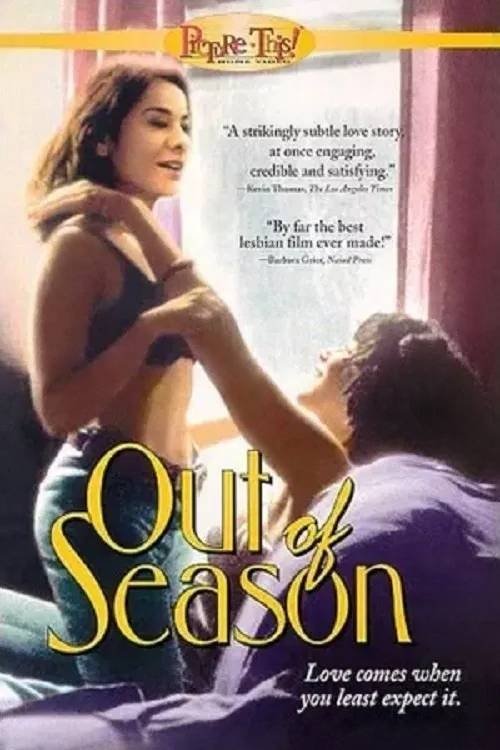
Out of Season stands out by placing a queer romance at the center of its dramatic structure. By focusing on the emotional bond between Micki and Roberta, the film avoids the typical pitfalls of treating LGBTQ+ identities as secondary or tragic elements. The film presents female protagonists with clear ability to act and autonomy. While the setting provides a backdrop for personal growth, the narrative leans heavily into traditional romantic genre conventions. Representation of race and disability remains more functional than central. The story uses illness to drive the plot and hints at ethnic diversity through character names, but lacks deep, explicit exploration of these identities.
Category Breakdown
The film centers around a lesbian romance between Micki and Roberta, which serves as the main storyline rather than a side plot. This relationship avoids common clichés such as tragedy or social stigma.
The story emphasizes a female-led emotional journey where the main characters have significant autonomy. However, the plot revolves around interpersonal connections and emotional labor typical of the romance genre.
Micki Silva's name suggests she may come from a diverse ethnic background within the small-town setting. However, the narrative lacks clear evidence of a multi-ethnic cast or the subversion of racial clichés.
The film explores the contrast between urban and rural lifestyles through a lens of personal growth. It highlights non-traditional family structures and the complexities of finding freedom in conservative settings.
The plot is driven by the presence of an ailing relative, Charlie. His illness serves as a narrative device to catalyze the central romance, but it risks being used primarily as a plot device.
Present on Screen
Limited or Absent
Official Synopsis
Hip lesbian Micki Silva leaves her fast-paced urban lifestyle for Cape May, New Jersey, to help her ailing uncle Charlie. At the local diner, run by Shelley, Micki meets Charlie's friend Roberta. Roberta likes her house, working at the diner, and numerous aspects of the small-town way of life that bore Micki, but opposites attract. Drawn together by the dying Charlie, the two women develop a complex relationship.
1996

1985

2014

2020

2009
2004
1995

1999
No reviews yet. Be the first to share your thoughts on this movie!
Use the rating form above to leave a star rating and optional review.