
Crow Valley
2022
No user ratings available yet
Diversity score: 4.0 out of 10
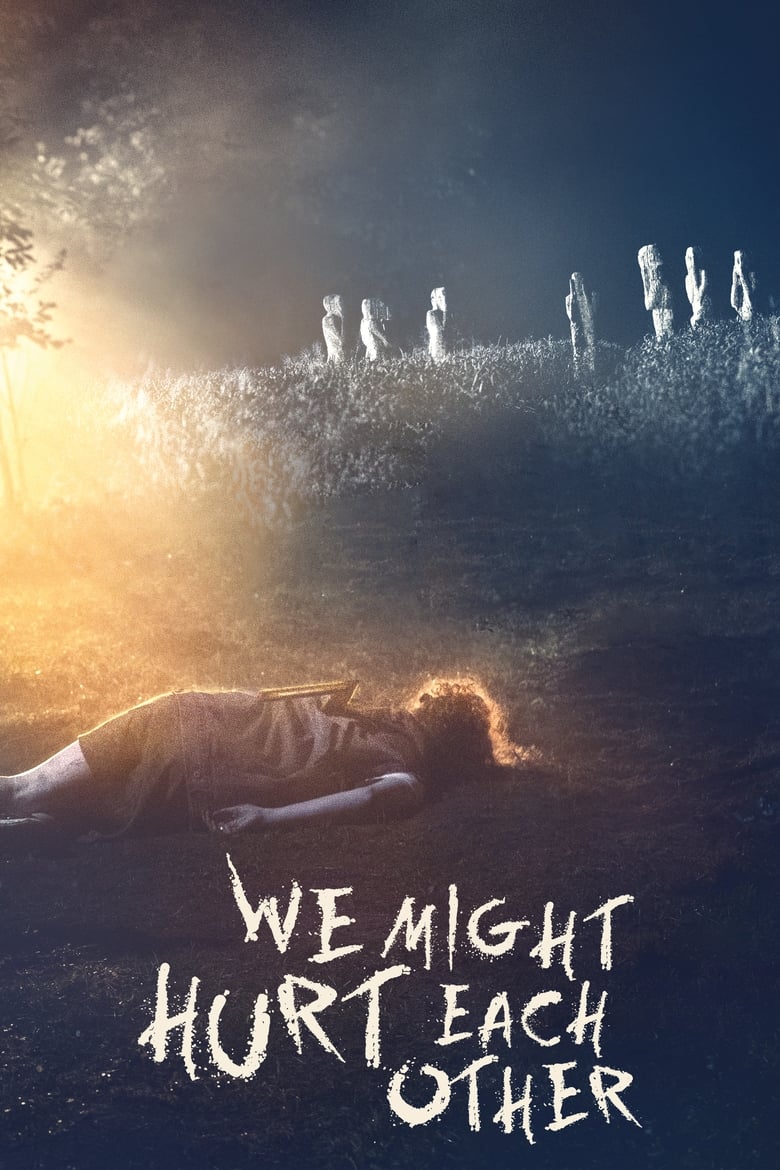
2022
Director
Jonas Trukanas
Runtime
85 minutes
Average Rating
No ratings yetSynopsis
A group of classmates celebrate their graduation in an isolated place about which a sinister story is told.
Overall Score
Limited
Category Breakdown
LGBTQ+ Representation
The film lacks explicit evidence of LGBTQ+ characters or non-cisnormative identities. It follows a conventional ensemble structure typical of survival-based horror tropes.
Gender Representation
The narrative focuses on a group of classmates, likely adhering to standard genre archetypes. There is no indication of subverting traditional gender hierarchies or roles.
Racial & Ethnic Diversity
Reflecting its Lithuanian origins, the casting appears demographically homogeneous. The production functions within a localized cultural framework rather than a multi-ethnic one.
Religious & Cultural Diversity
The story utilizes local folklore and sinister legends as narrative drivers. It explores traditionalist elements through the lens of genre tension.
Disability Representation
There is no evidence of characters with visible or invisible disabilities. The film does not appear to integrate neurodivergence or physical disability with agency.
Strengths
Areas for Improvement
AI Analysis
We Might Hurt Each Other is a localized genre piece that prioritizes tension and folklore over social commentary. The film relies on established horror tropes, focusing on an isolated group of classmates rather than challenging systemic hierarchies. The narrative architecture is built around survival and interpersonal friction. Because the story is rooted in a specific regional context, it lacks the intersectional breadth found in more globalized productions. Ultimately, the film functions as a standard thriller. It does not actively seek to deconstruct social structures or provide diverse representation across identity-driven categories.
2022
2014
2018

2008

2020
2009

2000
2016
2013
2019
2009
2018
No reviews yet. Be the first to share your thoughts on this movie!
Use the rating form above to leave a star rating and optional review.