Re/Member
2022
No user ratings available yet
Representation score: 6.3 out of 10
Representation Score
Fair
2019
Director
Choi Hyo-won
Runtime
81 minutes
Average Rating
No ratings yetNew Showbiz Analysis
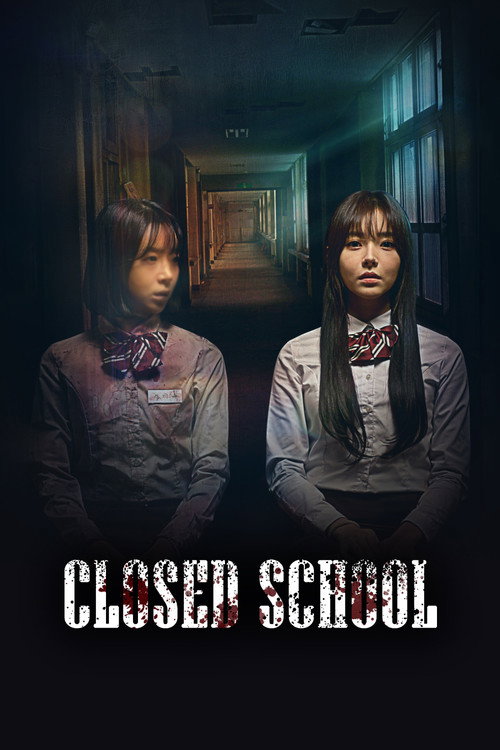
Closed School is a psychological thriller that emphasizes social stratification and hidden history rather than challenging traditional norms. The story uses a group of former classmates to explore class tensions and collective trauma after a tragedy. While the film investigates the darker aspects of institutional memory, it leans heavily on conventional character types. The protagonist's struggle with mental health and the social hierarchy between the wealthy and the working class form the main thematic elements. Ultimately, the film operates within a culturally specific context. It does not intentionally disrupt traditional social hierarchies, focusing instead on the psychological burden of the characters' shared past.
Category Breakdown
The film does not explicitly depict LGBTQ+ identities or same-sex relationships. Character interactions revolve around typical romantic interests, such as Hye-jin's feelings towards In-seok.
While Yoo-ra plays a significant role in driving the plot, her storyline involves vulnerability, including nightmares and fainting spells. Male characters are portrayed with traditional traits of strength and physical prowess.
The cast is ethnically uniform, reflecting South Korea’s population. The story centers on internal class conflicts within a single ethnic community.
The narrative delves into class disparities, contrasting a powerful business family with a low-ranking employee. It explores the psychological impact of collective guilt and institutional memory.
Yoo-ra experiences psychological distress through recurring nightmares and fainting. It is unclear whether these symptoms are addressed with real depth or used merely as plot devices.
Present on Screen
Limited or Absent
Official Synopsis
Yoo-ra suffers from nightmares every night. One day she meets her high school friends. Jin-tae is a promising artist, In-seok is a chaebol and former thug, Hye-jin likes In-seok, and Seong-ho, who used to be In-seok's errand boy, finally meet up. Yoo-ra asks her friends if they remember the classmate that killed herself. Everyone is flustered and claims they don't. Yoo-ra goes to the bathroom, but passes out after seeing herself in the mirror. Everyone gets in In-seok's car to send Yoo-ra home, but they get into an accident and all become unconscious. When they wake up, they are at a familiar school that's closed. It was the school they went to that has closed down.
2022

2001
2009
2017
2014

2006
2005
2015
No reviews yet. Be the first to share your thoughts on this movie!
Use the rating form above to leave a star rating and optional review.