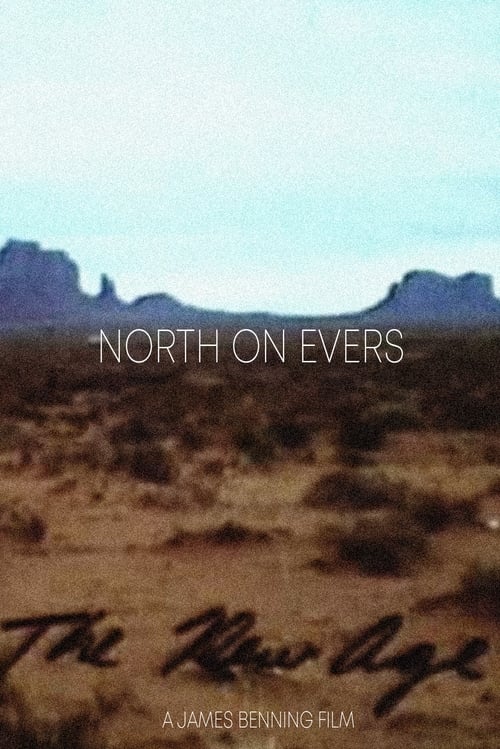
North on Evers
1992
No user ratings available yet
Representation score: 0.6 out of 10

Representation Score
Good
2011
Director
James Benning
Runtime
86 minutes
Average Rating
No ratings yetNew Showbiz Analysis
James Benning’s structuralist approach replaces traditional character-driven narratives with a rigorous observation of space. By removing dialogue and human interaction, the film bypasses the spectacle of identity altogether. This creates a unique form of subversion. While the film lacks the explicit ability to act needed for high representation scores, its refusal to engage with social hierarchies provides a meditative disruption of conventional cinema. Ultimately, the work functions as a systemic observation of the periphery. It moves away from the capitalist and institutional centers to focus on the quiet, lonely transit of the landscape.
Category Breakdown
The film focuses on static landscapes instead of human subjects, avoiding the reinforcement of traditional heterosexual norms.
By focusing on the environment, the film avoids traditional gender hierarchies and disrupts expectations of gender performance without relying on character's ability to drive the story.
The landscape-driven perspective offers a vacuum where racial hierarchies are neither reinforced nor challenged. The absence of human subjects prevents any direct assessment of ethnic casting.
The focus on backroads and lonely highways deconstructs the importance of traditional Western institutions, prioritizing a meditative, non-consumerist experience.
There are no characters with visible or invisible disabilities. The slow, static pacing may present accessibility challenges for some neurodivergent viewers due to minimal sensory stimulation.
Present on Screen
Limited or Absent
Official Synopsis
Lengthy static shots of various backroads, smaller interstates, quieter roads, and lonely highways.
1992

1983

2009
2013

2012

2017

2004

1977
No reviews yet. Be the first to share your thoughts on this movie!
Use the rating form above to leave a star rating and optional review.