
Atrangi Re
2021
No user ratings available yet
Representation score: 7.6 out of 10
Representation Score
Good
2023
Director
Senna Hegde
Runtime
120 minutes
Average Rating
No ratings yetNew Showbiz Analysis
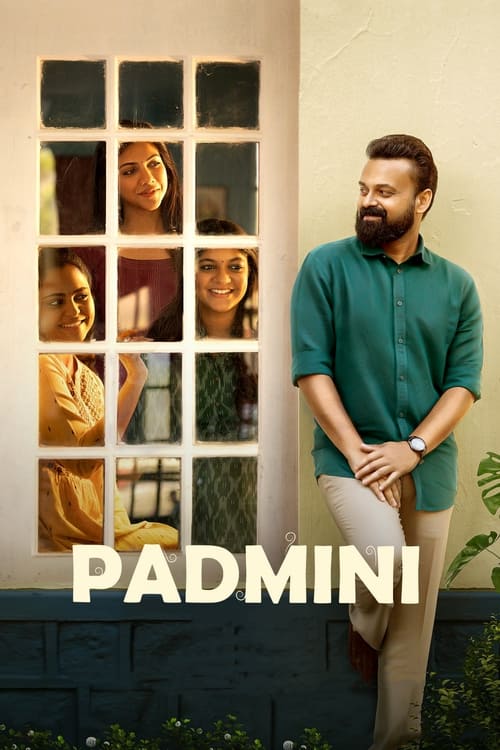
Padmini functions as a critique of provincial social structures and the sanctity of conventional domestic life. By centering the plot on a failed marriage and subsequent social ostracization, the film questions the stability of traditional family units. The narrative structure emphasizes individual autonomy over inherited communal values. It uses the protagonist's struggle against village taunts to highlight the toxicity of rigid social hierarchies. While the film excels at challenging social norms, it focuses on straight-centered struggles and lacks representation for queer identities or characters with disabilities.
Category Breakdown
The film does not explicitly show queer identities or relationships that go beyond the assumption that everyone is straight or cisgender.
The story challenges traditional gender roles by focusing on a woman's choice to leave a marriage. Her decision serves as a catalyst that disrupts the male protagonist's social standing.
As a Malayalam production, the film offers a culturally specific, non-Western perspective. While ethnically homogeneous, it provides a departure from Western-centric cinematic norms.
The narrative critiques communal morality and rigid social rules. It portrays traditional community norms and legalistic pressures as oppressive forces against the individual.
There are no characters with visible or invisible disabilities in the film.
Present on Screen
Limited or Absent
Official Synopsis
Rameshan, a lecturer and part-time poet, becomes the laughing stock of the village after his wife runs away on the wedding night. When he tries to overcome these taunts and win a second chance at love, he faces an uphill legal battle and toxicity of the society.
2021
2017

2024

2015
2021

2015

2014

2018
No reviews yet. Be the first to share your thoughts on this movie!
Use the rating form above to leave a star rating and optional review.