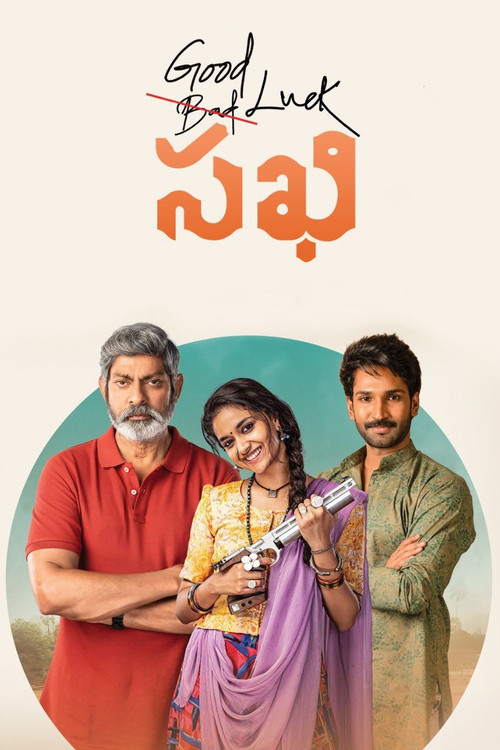
Good Luck Sakhi
2022
No user ratings available yet
Representation score: 6.2 out of 10
Representation Score
Fair
2018
GDirector
Srinivas Chakravarthi
Runtime
115 minutes
Average Rating
No ratings yetNew Showbiz Analysis
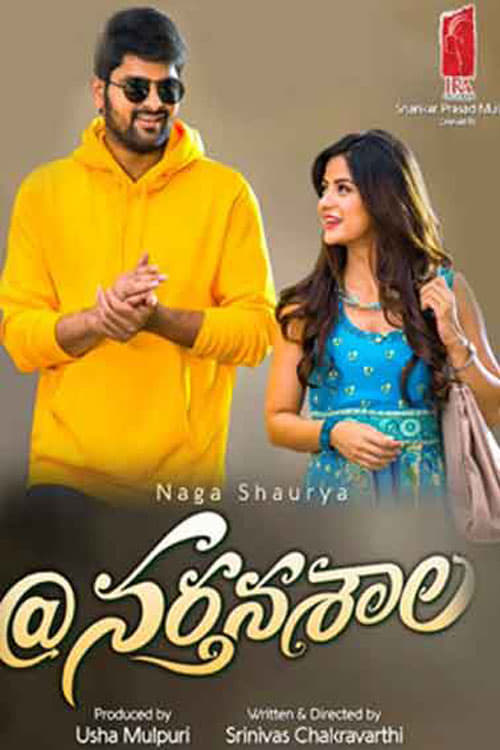
Nartanasala uses a historical setting to explore modern themes of identity and gender empowerment. By focusing on the disruption of traditional social structures, the film goes beyond superficial representation to delve into personal autonomy. The film's strength lies in its challenge to conventional gender and marital clichés. It empowers women through physical training and uses identity issues to question established social norms. However, the film remains culturally specific and lacks ethnic diversity. The exploration of non-straight identity serves primarily as a plot device rather than a detailed character study.
Category Breakdown
The film uses a character's non-straight identity to challenge arranged marriage traditions. The protagonist's orientation is a key element of the plot, focusing on personal freedom and autonomy.
A boxing school for women allows female characters to develop physical skills and independence. The story challenges traditional male roles by having the protagonist avoid social contracts through unconventional means.
Set in 13th-century India, the film features a cast that reflects a culturally uniform population. It emphasizes regional culture rather than a blend of diverse ethnicities.
The story questions traditional institutions and arranged marriages. It highlights individual choice and personal truth over strict social conformity and family obligations.
There is no evidence of characters dealing with visible or invisible disabilities in the narrative.
Present on Screen
Limited or Absent
Official Synopsis
Radha Krishna runs a boxing school for women and saves Manasa, who is being harassed by a man, and falls in love with her. His father Kalamandir Kalyan arranges his marriage with Satyabhama, daughter of a powerful leader. To avoid this marriage Radha Krishna claims he is gay. The marriage is cancelled, but trouble starts as Radha Krishna gets a proposal from a man.
2022
2015
2017
2017
2022
2021
2018
2015
No reviews yet. Be the first to share your thoughts on this movie!
Use the rating form above to leave a star rating and optional review.