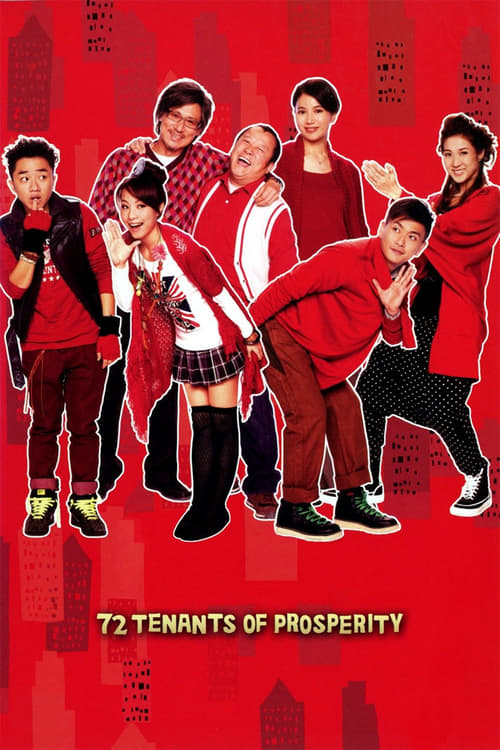
72 Tenants of Prosperity
2010
No user ratings available yet
Representation score: 3.7 out of 10

Representation Score
Limited
2011
Director
Chung Shu-Kai, Eric Tsang Chi-Wai
Runtime
102 minutes
Average Rating
No ratings yetNew Showbiz Analysis
I Love Hong Kong 2011 is a localized ensemble comedy that emphasizes regional identity and traditional social structures. The narrative centers on themes of business failure, family reconciliation, and childhood friendships, keeping the story rooted in conventional social hierarchies. While the film offers a strong sense of regional culture and identity, it lacks intentional representation of underrepresented identities. The storytelling relies on established clichés rather than deconstructing gender roles or exploring diverse perspectives. Overall, the film serves as a reflection of a specific demographic, highlighting social stability and the restoration of traditional ties over radical narrative subversion.
Category Breakdown
The film does not include any explicit LGBTQ+ characters or narratives. It focuses on traditional family dynamics and interpersonal reconciliations without any queer representation.
The story revolves around a patriarch returning to his father's home. Although women are present, the main conflicts are framed through a masculine lens and traditional gender roles.
The film is set in Hong Kong and features a largely homogeneous cast reflecting the local demographic. It does not utilize diverse ethnic identities.
The film examines socioeconomic struggles and the significance of returning to one's roots. It emphasizes social cohesion and traditional family ties over critical analysis of systemic issues.
The film does not feature any characters dealing with physical, neurodivergent, or mental health challenges.
Present on Screen
Limited or Absent
Official Synopsis
After his business goes bust, Ng Shun and his family move back to his old apartment to stay with his father. He has not returned for 10 years because the apartment is too small for his family. Furthermore, the environment is unfamiliar to Shun's family. Coincidentally Shun's old childhood friend, Lung returns too. Due to an old misunderstanding, Shun is distrustful of Lung. Will Lung regain Shun's trust again?
2010
2010
2016
1994
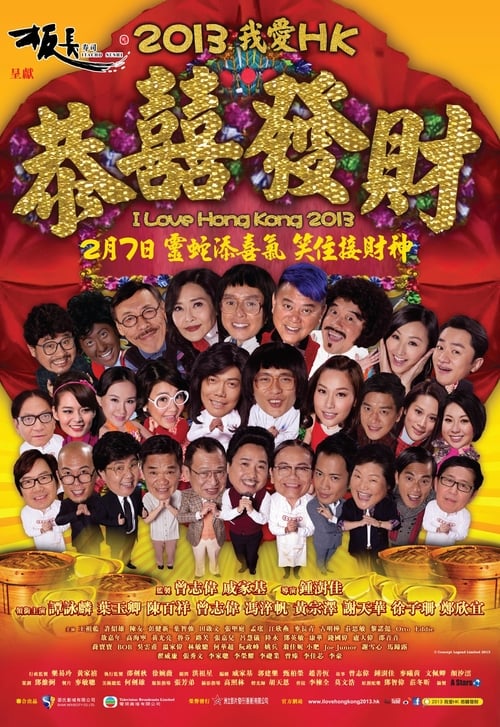
2013

2010
2008
2015
No reviews yet. Be the first to share your thoughts on this movie!
Use the rating form above to leave a star rating and optional review.