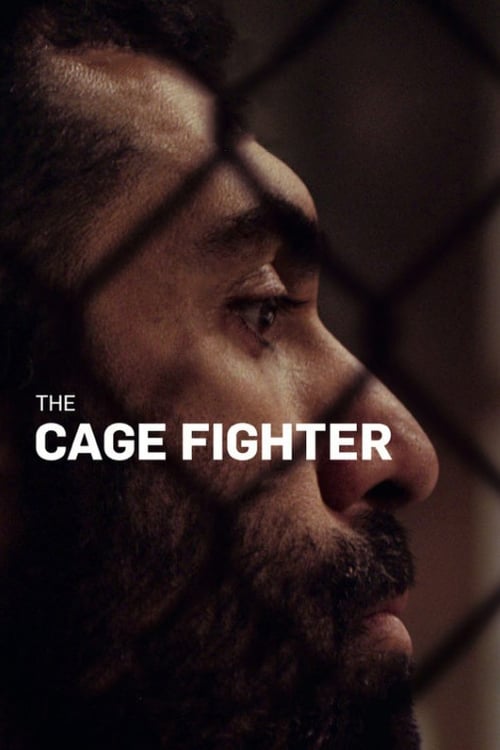
The Cage Fighter
2018
No user ratings available yet
Representation score: 1.5 out of 10
Representation Score
Fair
2012
Director
Zachary Oberzan
Runtime
63 minutes
Average Rating
No ratings yetNew Showbiz Analysis
The documentary is a deeply personal, reflective study of the Oberzan siblings. It prioritizes individual memory and trauma over broad demographic inclusivity, limiting its reach in terms of racial and gender variety. While it lacks diversity, the film excels in cultural depth, deconstructing traditional social structures and the idealized family unit. It offers a complex look at redemption and situational ethics. Ultimately, the work functions as a niche, localized narrative, trading wide-scale representation for a concentrated exploration of specific familial struggles and the physical toll of life's hardships.
Category Breakdown
The film focuses on the bond between brothers and does not include any explicit LGBTQ themes or non-cisgender identities.
The story centers on male experiences such as brotherhood and masculinity. While a sister is part of the sibling dynamic, the main storyline revolves around male struggles.
The film studies a specific family in Maine and the cast appears homogeneous, focusing on the Oberzan family history without broader racial diversity.
The film challenges the sanctity of the nuclear family through themes of estrangement and explores complex morality through stories of drug use and prison time.
The film does not specifically address disabilities but explores the physical and mental tolls of aging and addiction, providing a nuanced look at health.
Present on Screen
Limited or Absent
Official Synopsis
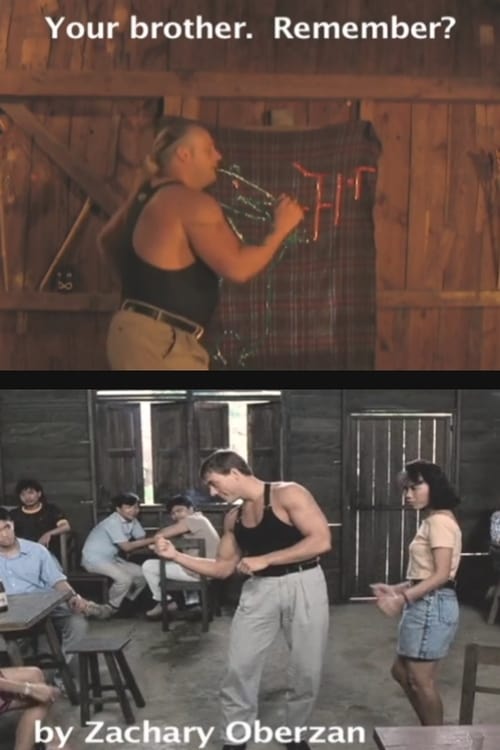
As kids in Maine in the early '90s, Zachary and his older brother Gator loved making home-movie versions of their two favorite films, Jean-Claude Van Damme's karate opus Kickboxer and psuedo-snuff classic Faces of Death. Now it's 2009, and though estranged from his family, Zachary returns to Maine to re-create these childhood tapes as accurately as possible. Things aren't the same however, as aging, drugs, and prison time have taken their toll on the Oberzan siblings. But with Jean-Claude and Dr. Frances B. Gröss in their corner, Zack and Gator (and sister Jenni) step back into the ring for a title shot at redemption.
2018

2018

2001

2012

2017

2015
2011

2008
No reviews yet. Be the first to share your thoughts on this movie!
Use the rating form above to leave a star rating and optional review.