
Marighella
2021
No user ratings available yet
Representation score: 6.0 out of 10
Representation Score
Good
2026
Director
Pathikrit Basu
Runtime
144 minutes
Average Rating
No ratings yetNew Showbiz Analysis
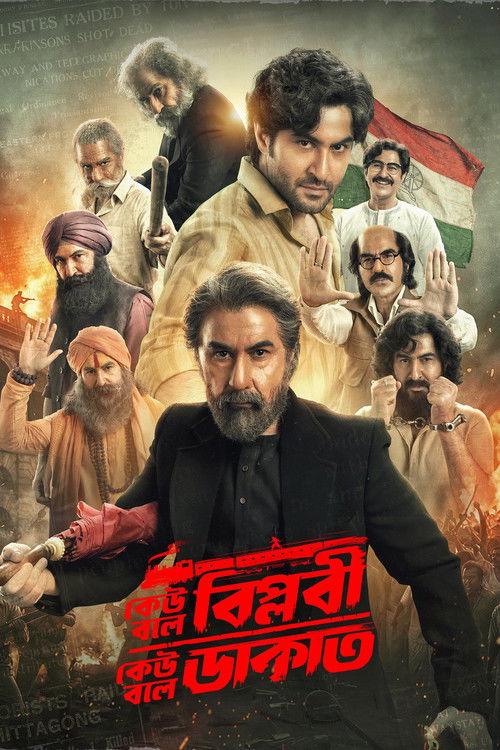
Keu Bole Biplobi, Keu Bole Dakat presents a clear ideological framework, framing the struggle as a fight against systemic oppression. The film centers Ananta Singha, a communist leader in the Indian freedom struggle, prioritizing political ideology and anti-colonial resistance. It offers strong ethnic representation and clear cultural messaging, though it relies on traditional gender dynamics. The narrative prioritizes the male protagonist's political journey, leaving little room for diverse perspectives. Female roles appear limited to supporting or domestic functions, while LGBTQ+ identities are absent from the historical portrayal. This focus remains firmly on the central figure's experience. While the film lacks diversity in disability and LGBTQ+ representation, these gaps are common in period pieces. The authentic casting and clear political stance provide a solid foundation for understanding the historical context. The overall impact is shaped by its commitment to the central narrative.
Category Breakdown
The film contains no LGBTQ+ characters or same-sex romance. The story stays within a traditional 1940s setting, focusing on political struggle and personal bonds. This absence reflects the historical context rather than a deliberate exclusion.
Women appear in supporting roles, such as Durga Roy, but the plot centers on male leadership. Female characters likely serve as family anchors rather than driving the revolutionary action. The narrative relies on traditional gender dynamics to structure the story.
The film features an all-Indian cast depicting the freedom struggle. Characters of color hold primary narrative power and drive the historical plot. This aligns with the authentic cultural setting of the period.
The story promotes communist ideology and frames the struggle against colonial rule as a systemic fight for justice. Traditional Western institutions are portrayed as oppressive, while collective action is highlighted as the path to liberation.
No characters with physical or mental disabilities are identified in the available context. The narrative relies on physical action and political rhetoric without addressing disability as a lived condition. This gap is common in period pieces of this nature.
Present on Screen
Limited or Absent
Official Synopsis
A biopic of Ananta Singha. Some calls him dacoit, some calls him a rebellion. This adaptation gives the viewer a chance to know him as a whole, a person and as a revolutionary communist leader.
2021
2020
2022
1995
2023
2017

2019
2022
No reviews yet. Be the first to share your thoughts on this movie!
Use the rating form above to leave a star rating and optional review.