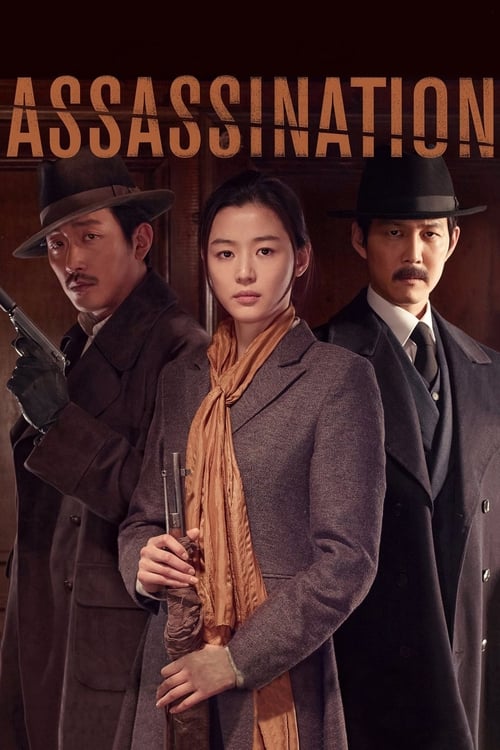
Assassination
2015
No user ratings available yet
Representation score: 7.9 out of 10
Representation Score
Limited
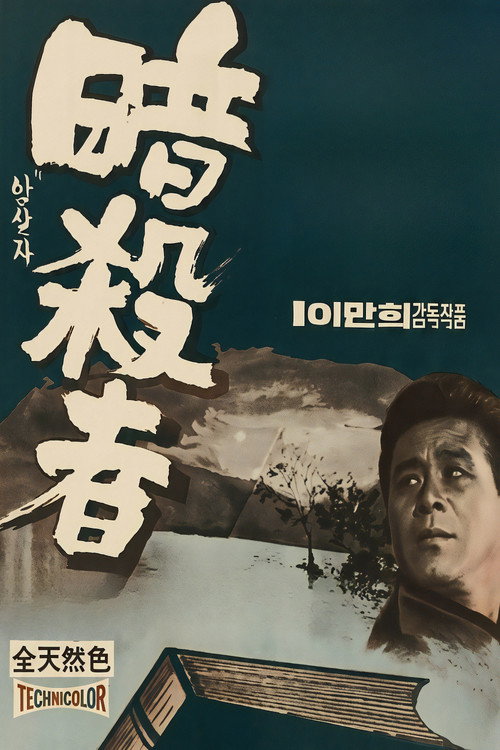
1969
Director
Lee Man-hee
Runtime
78 minutes
Average Rating
No ratings yetNew Showbiz Analysis
Lee Man-hee’s *Assassin* is a period thriller that emphasizes geopolitical tension over social diversity. The film stands out for its non-Western perspective on the division of the Korean Peninsula, offering a nuanced critique of external colonial influences. However, the film adheres to the cinematic conventions of 1969, focusing on male-centric themes and political maneuvering within patriarchal structures. It lacks representation for LGBTQ+ identities and characters with disabilities. Ultimately, the film’s strength lies in its cultural and ideological depth, while its limitations are evident in its narrow demographic representation.
Category Breakdown
The film does not include any queer narratives or non-traditional gender identities. It follows the conventional social norms typical of 1960s regional cinema.
The power dynamics revolve around male-dominated political structures and professional assassinations. There is no significant evidence of female empowerment or challenging traditional gender roles.
The story focuses on East Asian geopolitics from a culturally specific viewpoint. It avoids Western-centric clichés by concentrating on internal regional conflicts and local political factions.
The narrative presents ideological complexity by criticizing the influence of external U.S. and Soviet powers. It examines moral relativism through a protagonist caught between duty and empathy.
There is no evidence of characters with visible or invisible disabilities. Disability is not used as a narrative device in this film.
Present on Screen
Limited or Absent
Official Synopsis
Infighting breaks out between factions of the Communist Party over whether to back the U.N. Trusteeship under which the Korean Peninsula is to be divided between U.S. and Soviet control. One faction hires a hit man to kill the leader of the opposing faction. The hit man is known as the best in his field, yet is also known for having a heart.
2015
1967

1958
1958

1974
1973
1968

1965
No reviews yet. Be the first to share your thoughts on this movie!
Use the rating form above to leave a star rating and optional review.