
They Fought for Their Motherland
1975
No user ratings available yet
Representation score: 5.3 out of 10
Representation Score
Limited
1981
Director
Nikita Khubov, Stanislav Rostotsky
Runtime
164 minutes
Average Rating
No ratings yetNew Showbiz Analysis
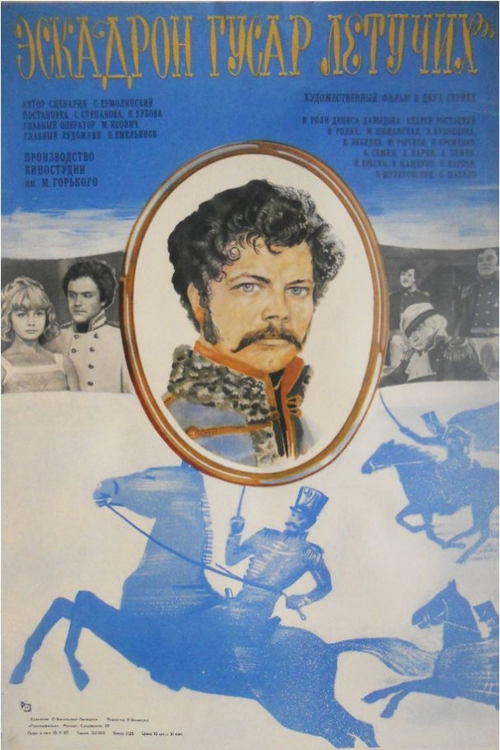
Squadron of Flying Hussars is a traditional historical epic that emphasizes national identity over modern diversity frameworks. It serves as a non-Western narrative, highlighting Russian heroism and the poetic legacy of figures like Denis Davydov. The film heavily relies on established 19th-century social structures. The emphasis on martial valor and masculine leadership results in a narrative that favors traditional archetypes over diverse representation. While it lacks modern identity politics, the film offers cultural value by presenting the Napoleonic Wars from a Russian viewpoint, providing a critique of Western European imperial dominance.
Category Breakdown
The film follows traditional 19th-century romantic themes. It does not show any non-traditional gender identities or same-sex relationships.
The story focuses on masculine hussar archetypes known for bravery and military skill. Although Marina Shimanskaya is a main character, the plot revolves around the male-dominated military hierarchy.
The narrative reflects the historical reality of the time, centered around a predominantly Slavic and Russian population. It highlights a non-Western perspective against the French Empire.
The film challenges Western-centric history by emphasizing the Russian experience and partisan spirit. It underscores national identity and resistance against Napoleonic expansion.
There is no specific mention of physical or neurodivergent disabilities in the historical context presented.
Present on Screen
Limited or Absent
Official Synopsis
A story about a colonel Denis Davydov - hero of the 1812 war.
1975
1970

2018
2010
2021
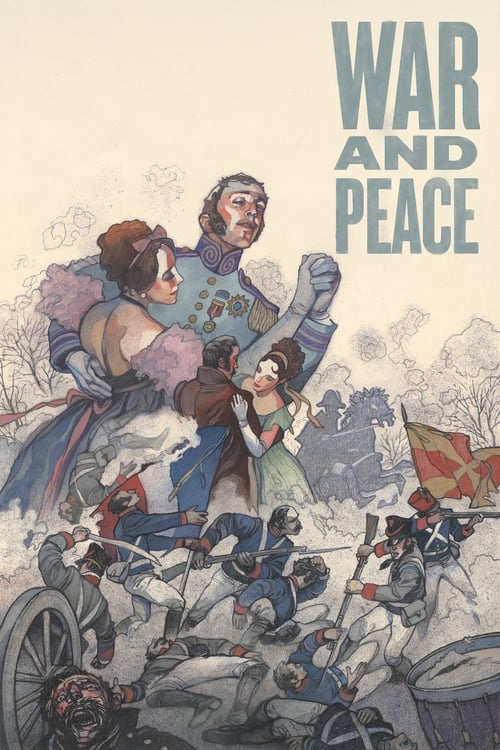
1968
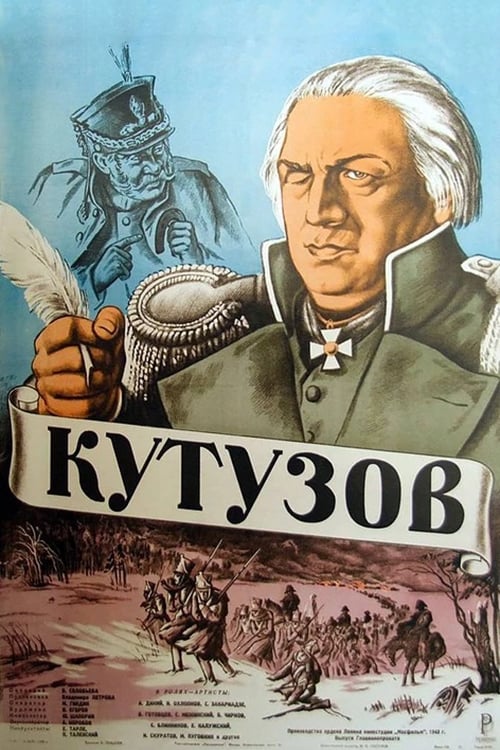
1943
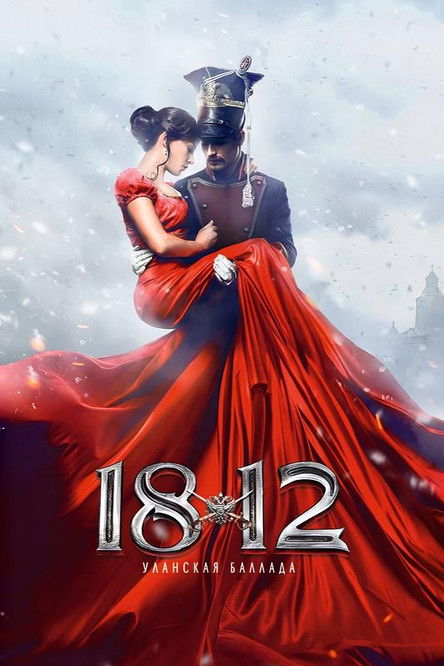
2012
No reviews yet. Be the first to share your thoughts on this movie!
Use the rating form above to leave a star rating and optional review.