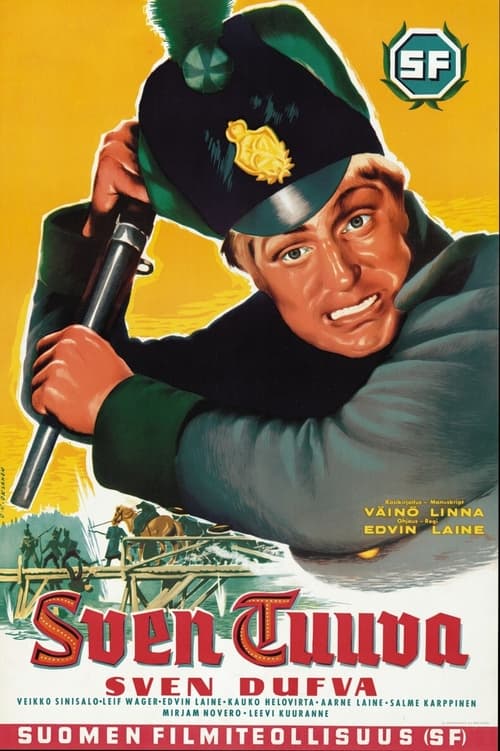
Sven Tuuva the Hero
1958
No user ratings available yet
Representation score: 0.3 out of 10

Representation Score
Minimal
1926
SDirector
John W. Brunius
Runtime
184 minutes
Average Rating
No ratings yetNew Showbiz Analysis
The film serves as a traditional period piece reflecting the socio-political constraints of its era. It centers on the Finnish War between Russia and Sweden, focusing on military duty and nationalistic themes. The production adheres to early 20th-century cinematic norms, emphasizing institutional authority and patriarchal structures. It does not offer multi-layered complexity and functions as a standard historical drama aligned with the social hierarchies of the 1920s.
Category Breakdown
The film does not include any characters with non-straight or non-cisgender identities. It follows the social and cinematic norms of the 1920s.
The story emphasizes masculine leadership and traditional military command structures. Women play minor roles and do not have significant influence or intellect that challenges the established patriarchal order.
Set within a Nordic conflict, the cast appears ethnically uniform. There are no non-white characters or actors from diverse backgrounds.
The work is rooted in Western historical traditions and military nationalism. It upholds traditional values like patriotism and duty.
There is no information about the portrayal of neurodivergence or physical disabilities. Such traits were rarely given much attention in this era.
Present on Screen
Limited or Absent
Official Synopsis
Based on the poems by finnish poet Johan Ludvig Runeberg, the movie centers on the Finnish War between Russia and Sweden in 1808.
1958
2017
2012
1968
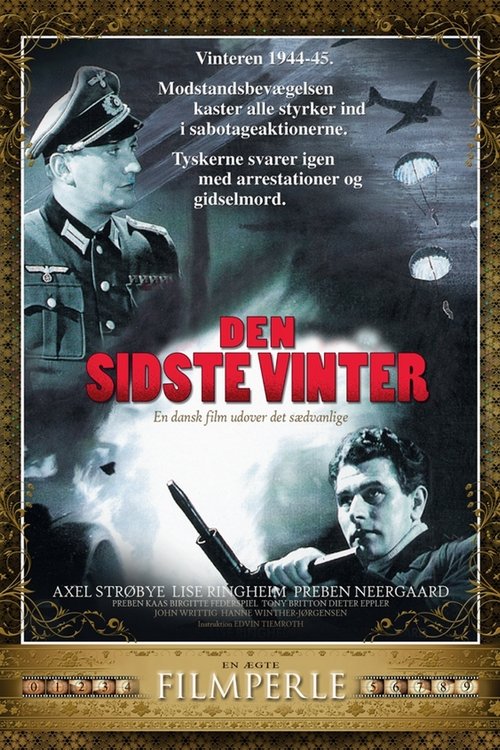
1960
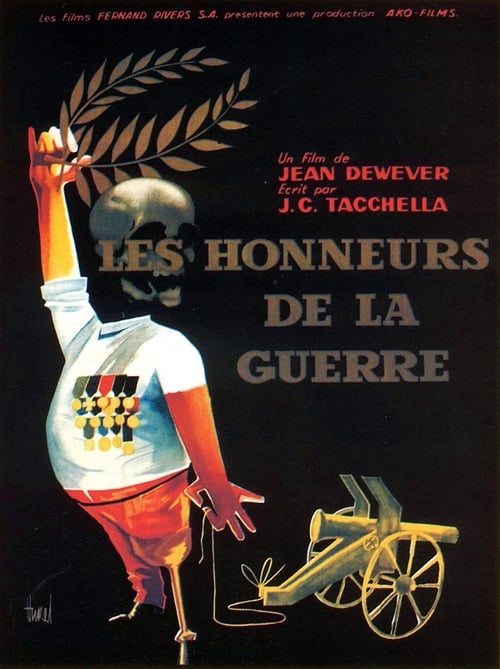
1962

1957
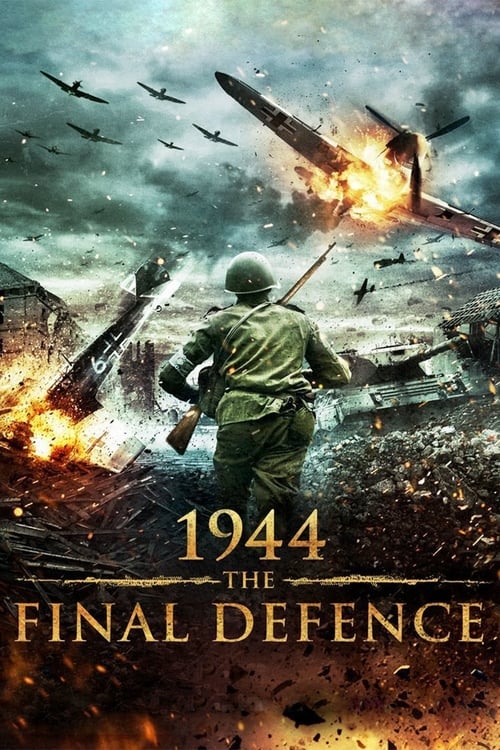
2007
No reviews yet. Be the first to share your thoughts on this movie!
Use the rating form above to leave a star rating and optional review.