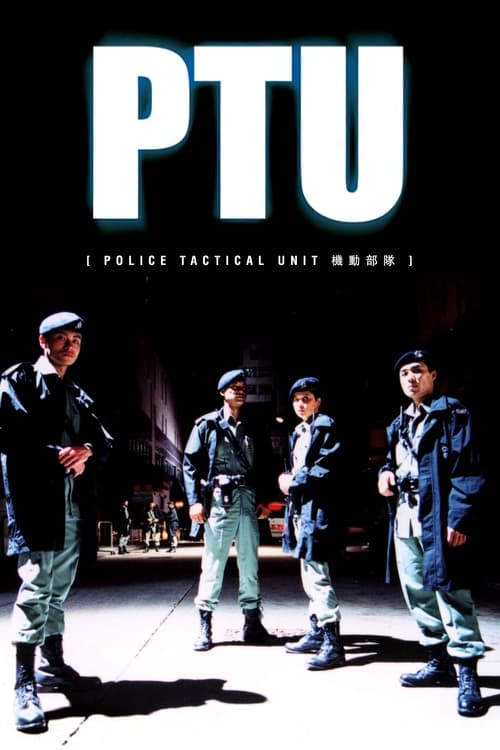
PTU
2003
No user ratings available yet
Representation score: 1.0 out of 10
Representation Score
Fair
2008
Director
Lawrence Ah Mon
Runtime
90 minutes
Average Rating
No ratings yetNew Showbiz Analysis
Lawrence Ah Mon’s direction brings a gritty, socially conscious perspective to this crime thriller. The film successfully provides a culturally specific Hong Kong viewpoint that avoids Western-centric storytelling norms, giving meaningful roles to local characters. However, the film is heavily influenced by traditional masculine archetypes of authority and organized crime. This focus on male-centric conflict limits the exploration of gender diversity and broader social identities. Ultimately, while the film offers a sophisticated critique of institutional power and social hierarchies, it remains a narrow study of male-dominated conflict within a specific urban setting.
Category Breakdown
The film does not include any characters with explicitly defined LGBTQ+ identities or any direct critiques of the assumption that everyone is straight or cisgender. The main storyline focuses on the tension between law enforcement and organized crime.
The movie centers around traditional masculine roles in law enforcement and organized crime. This focus on male-centric conflict and authority figures limits the exploration of diverse gender roles.
By featuring a predominantly non-Anglo-Saxon cast, the film challenges Western-centric norms. It delves into local ethnic and social dynamics through specific cultural and systemic contexts.
The story examines the complexities of justice and moral relativism through a crime-focused lens. It critiques the effectiveness of traditional social institutions and the nuances of systemic issues.
There is no mention of characters with physical or neurodevelopmental disabilities in the film.
Present on Screen
Limited or Absent
Official Synopsis
After a late-night triad dispute leads to the death of an innocent civilian, PTU officers take action by investigating triad activities in the area.
2003

2004

2009

2008

2009

2018

2006

2013
No reviews yet. Be the first to share your thoughts on this movie!
Use the rating form above to leave a star rating and optional review.