Nameless Gangster
2012
No user ratings available yet
Representation score: 4.1 out of 10
Representation Score
Minimal
2013
RDirector
Fu Xi
Runtime
85 minutes
Average Rating
No ratings yetNew Showbiz Analysis
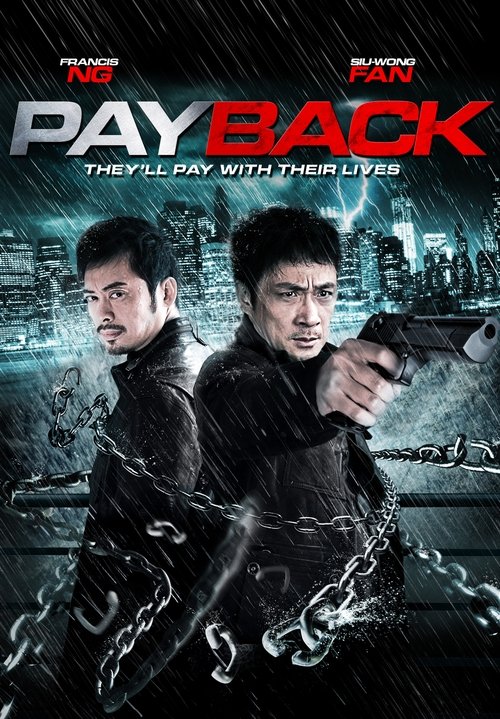
Pay Back functions as a conventional crime thriller that relies on the clash between two distinct social groups—a Triad leader and a taxi driver—to propel the narrative. While the film explores class dynamics, the characters primarily serve as genre archetypes rather than tools for social critique. By focusing on East Asian criminal dynamics, the film offers a non-Western perspective. However, this cultural context does not inherently challenge or deconstruct social norms or identity politics. Overall, the film adheres to traditional masculine leadership roles and lacks representation for LGBTQ+ identities or individuals with disabilities. It emphasizes genre conventions over nuanced explorations of identity.
Category Breakdown
The film does not include any representation of LGBTQ+ identities or non-binary gender expressions. The story revolves around a male-dominated crime structure.
The story centers on a partnership between a Triad leader and a taxi driver, both of which adhere to traditional masculine roles typical in crime thrillers.
The film focuses on East Asian culture through its depiction of a Triad organization. It is unclear if the film delves into deeper layers of racial identity.
The plot examines the tension between the criminal underworld and the working class. It is unclear if the film critiques systemic power structures.
There is no information regarding the inclusion of neurodivergent characters or individuals with physical disabilities.
Present on Screen
Limited or Absent
Official Synopsis
Two worlds collide when a Triad leader and a taxi driver form an unlikely partnership. Now, they need to work together in order to survive.
2012
2006

1998
2016

2006

2012
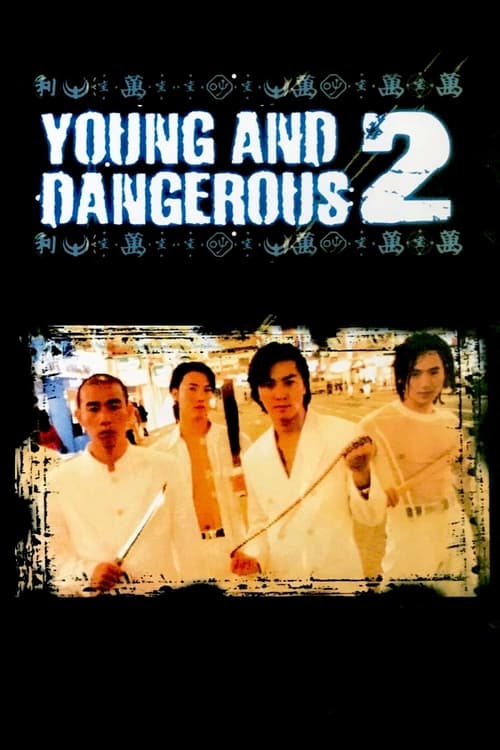
1996
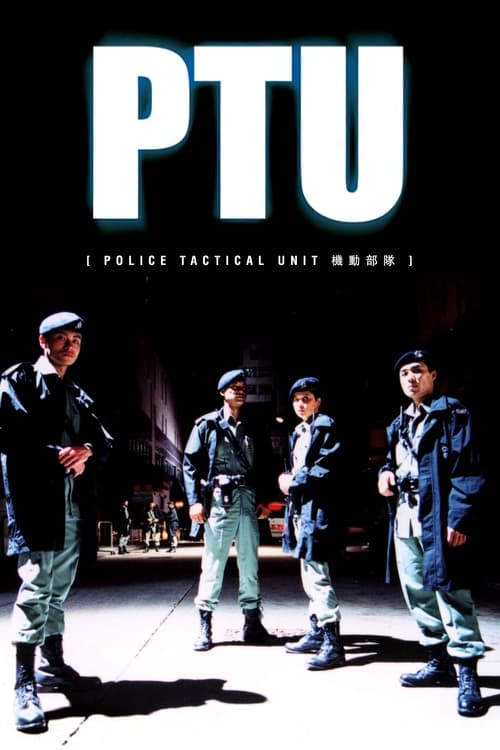
2003
No reviews yet. Be the first to share your thoughts on this movie!
Use the rating form above to leave a star rating and optional review.