
Undercover
2007
No user ratings available yet
Representation score: 2.9 out of 10
Representation Score
Good
2009
Director
Herman Yau
Runtime
89 minutes
Average Rating
No ratings yetNew Showbiz Analysis
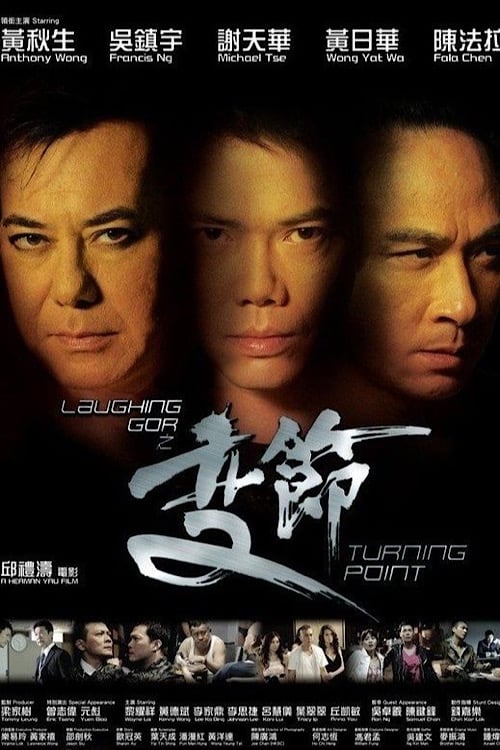
Turning Point is a genre-driven exploration of systemic instability and fragmented identity. It successfully deconstructs institutional authority by presenting morality as subjective and corruptible. However, the film remains tied to traditional genre clichés, lacking meaningful representation across gender, racial, and LGBTQ+ spectrums. It focuses on a localized, male-dominated underworld hierarchy. Ultimately, the film's thematic complexity is its strength, though it falls short in demographic diversity.
Category Breakdown
The story focuses on a traditional romance between the protagonist and Karen, without any explicit LGBTQ+ characters or narratives that challenge the assumption that everyone is straight. There is no representation of LGBTQ+ experiences.
The film follows a male-centric storyline typical of crime thrillers. While Karen adds emotional depth, the plot revolves around male bonding and the dynamics of a male-dominated triad.
The cast is predominantly of one ethnicity, reflecting the specific Hong Kong setting. The film stays within a localized cultural context without incorporating actors from diverse ethnic backgrounds.
The narrative offers a nuanced look at institutional morality, portraying the triad structure as a surrogate family that challenges the sanctity of state institutions.
There are no characters with visible or invisible disabilities. The focus is on the psychological and physical impacts of undercover work.
Present on Screen
Limited or Absent
Official Synopsis
Laughing is formally a police undercover. However due to a drug trafficking case, Inspector Pan is hot on his trails. Before Laughing becomes a police undercover, he works under triad leader Yi. Yi treats Laughing as his own brother, however to protect his territory and illegal businesses, Yi instructed Laughing to join the police force and act as his undercover. Laughing is a high-flyer in the police academy. However he never got a chance to join the force because he is specially picked by Inspector Xian to be an undercover in the underworld syndicate. Hence Laughing becomes a “double-undercover”. Yi is happy that Laughing is allocated to the triad of his rival. To make his situation worse, Laughing falls in love with the triad leader’s sister, Karen. Justice, brotherhood and love, what will Laughing decide on? His decision will be a turning point in his life.
2007
1987

2023
1995

2006
2018
2008
1986
No reviews yet. Be the first to share your thoughts on this movie!
Use the rating form above to leave a star rating and optional review.