We Are Columbine
2019
No user ratings available yet
Representation score: 7.5 out of 10
Representation Score
Good
2018
Director
Carl Javér
Runtime
91 minutes
Average Rating
No ratings yetNew Showbiz Analysis
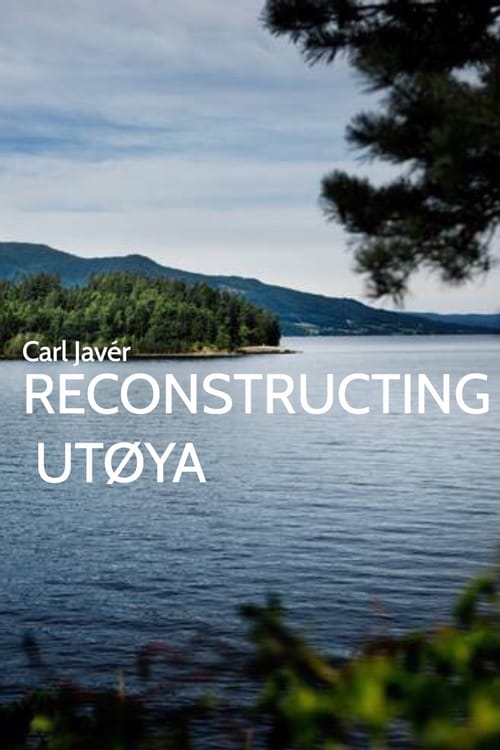
Reconstructing Utøya uses dramatized reenactments to explore the psychological reality of trauma. It prioritizes historical accuracy and the lived experiences of the victims over a sanitized or purely archival approach to the massacre. The film's demographic diversity is naturally constrained by its commitment to recreating a specific historical moment in Norway. However, its narrative approach is progressive, focusing on how individuals reclaim control after a catastrophic social disruption. While the cast reflects the era's homogeneity, the film succeeds in providing a nuanced, layered look at survival and the reconstruction of community.
Category Breakdown
The film honors the authentic identities of the victims, including members of the LGBTQ+ community. This inclusion ensures that the specific vulnerabilities of underrepresented individuals are not erased from the historical record.
The narrative portrays adolescents in a social setting without relying on traditional gendered clichés. Character roles are defined by psychological resilience rather than adherence to masculine or feminine stereotypes.
The cast reflects the specific demographic reality of the Norwegian youth camp during the July 22 attacks. The film prioritizes historical fidelity over intentional demographic expansion or diverse casting.
The film critiques far-right extremism and the ideologies that threaten democratic structures. It focuses on rebuilding social cohesion and communal identity following a period of radicalized violence.
The documentary addresses invisible disabilities by focusing on the profound psychological trauma and PTSD experienced by survivors. It portrays the complex, non-linear process of emotional recovery with ability to act.
Present on Screen
Limited or Absent
Official Synopsis
This documentary picks up after the horror has ended. Almost 500 teens are in grief as 69 of their friends have fallen. They've been shot dead. How could this island ever become a safe place again? Here, we see how Utøya was first the safest place on Earth to the most terrible and how it was restored and stands as a beacon of hope for the survivors and the Norwegian people.
2019
2002
2016
2016
2018
2012
2022
2014
No reviews yet. Be the first to share your thoughts on this movie!
Use the rating form above to leave a star rating and optional review.