
Girls of the Night
1961
No user ratings available yet
Representation score: 6.0 out of 10
Representation Score
Fair
1997
Director
Laco Halama
Runtime
99 minutes
Average Rating
No ratings yetNew Showbiz Analysis
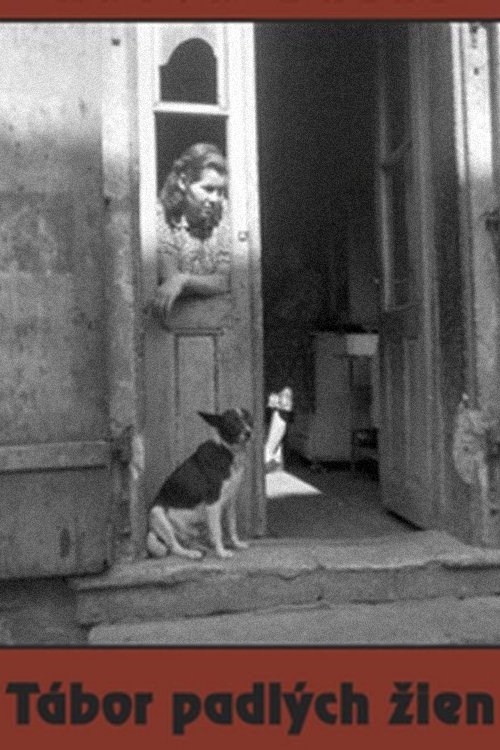
Laco Halama’s drama critiques institutional authority during a period of political restructuring. By focusing on the state-mandated re-education of underrepresented women, the film challenges mid-century social norms. The narrative effectively dismantles state-sanctioned morality through its portrayal of the reform camp. It shifts the focus from domesticity to the tension between individual existence and systemic oppression. However, the film lacks visible diversity in terms of race and LGBTQ+ identities. Its impact lies more in its social and cultural commentary than in a broad range of identity representation.
Category Breakdown
The film doesn't confirm any LGBTQ+ relationships or non-straight identities. Although the setting allows for potential exploration of female intimacy, there is no clear indication of specific LGBTQ+ character involvement.
The story focuses on women who exist outside traditional domestic roles, challenging the patriarchal norms of the time. These women are shown as active participants in their struggles rather than passive victims.
Set in 1948 Bratislava, the cast appears to be ethnically uniform. The film emphasizes class and social status over racial or ethnic diversity as key identifiers.
The film sharply criticizes state-driven morality and institutional social engineering. It portrays the Ministry of the Interior as a coercive force trying to enforce ideological conformity.
There is no evidence that neurodivergence or physical disabilities play a central role in the character arcs or the plot mechanics.
Present on Screen
Limited or Absent
Official Synopsis
The story takes place in a reform-camp for the prostitutes of Bratislava. Soon after the political changes in February 1948 a deputy of the Ministry of the Interior decides to clean the city from its subverting elements. After a police raid all the prostitutes are transported to work-camps where they are supposed to be converted to loyal citizens.
1961

1956

2012
1961

1967

1964

1979

2012
No reviews yet. Be the first to share your thoughts on this movie!
Use the rating form above to leave a star rating and optional review.