In Public
2001
No user ratings available yet
Diversity score: 5.8 out of 10
2018
Director
Hao Wu
Runtime
95 minutes
Average Rating
No ratings yetSynopsis
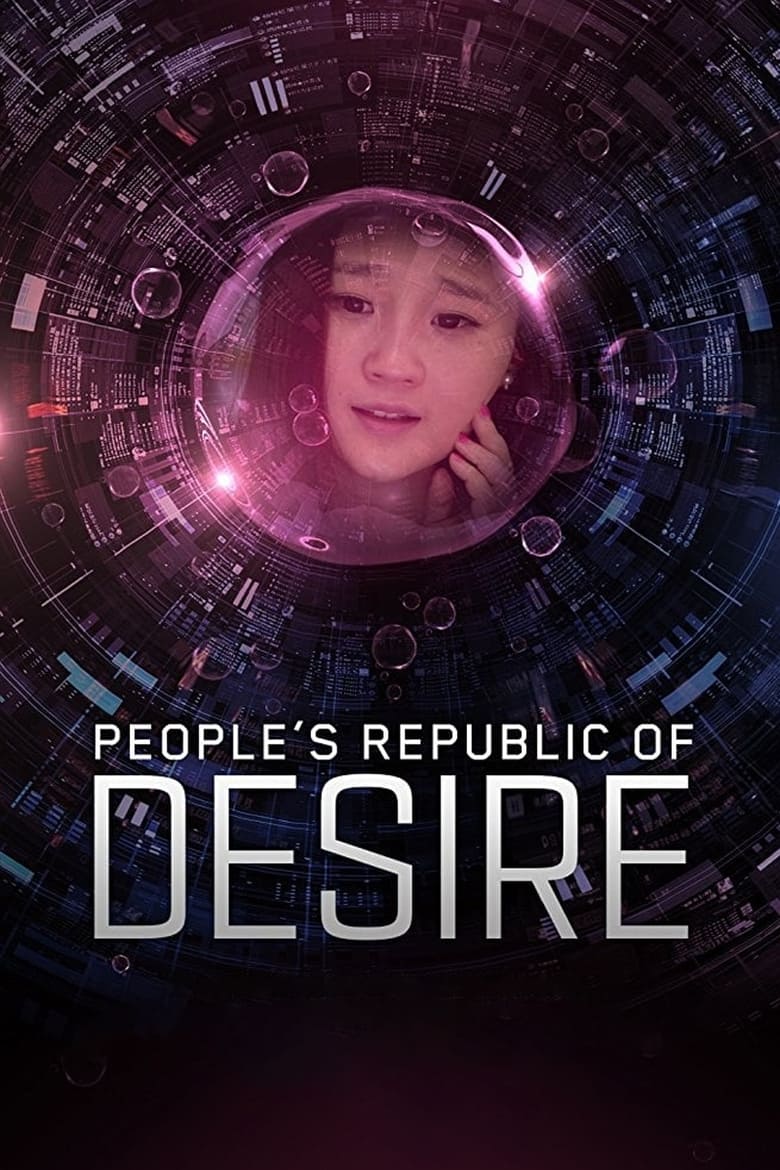
In China’s popular live-streaming showrooms, three millennials – a karaoke singer, a migrant worker and a rags-to-riches comedian – seek fame, fortune and human connection, ultimately finding the same promises and perils online as in their real lives.
Overall Score
Fair
Category Breakdown
LGBTQ+ Representation
The film focuses on socio-economic drivers and millennial archetypes. There is no explicit evidence regarding non-heteronormative identities or specific LGBTQ+ narratives within the central subjects.
Gender Representation
The narrative highlights individuals finding agency through digital entrepreneurship, potentially disrupting traditional patriarchal hierarchies. However, the specific gender breakdown of the three central subjects is not detailed.
Racial & Ethnic Diversity
The documentary provides a platform for voices often marginalized in global media, such as migrant workers. It offers a nuanced look at internal class-based mobility within China.
Religious & Cultural Diversity
The film engages deeply with the complexities of modern capitalism and digital life. It critiques systemic pressures by framing the promises and perils of the internet through personal struggle.
Disability Representation
There is no evidence that neurodivergence or physical disability are central themes. The narrative emphasizes occupational and social identity over physical or cognitive ability.
Strengths
Areas for Improvement
AI Analysis
Hao Wu’s documentary succeeds in shifting the lens from state-centric history to the granular, precarious lives of digital citizens. By focusing on a migrant worker, a singer, and a comedian, it subverts traditional economic narratives to highlight individual agency within a mediated landscape. While the film excels at exploring class dynamics and the systemic pressures of the digital economy, it lacks specific focus on identity-driven categories. There is little evidence regarding LGBTQ+ representation or disability, leaving those areas largely unaddressed. Ultimately, the work functions as a study of modern systemic pressures. It prioritizes the pursuit of connection and fortune over traditional social or domestic roles, offering a nuanced view of contemporary Chinese social structures.
2001

2011

2013

2018

2024

2014

2007
2013
2009

2021

2022
2016
No reviews yet. Be the first to share your thoughts on this movie!
Use the rating form above to leave a star rating and optional review.