The Loves of Carmen
1927
No user ratings available yet
Representation score: 3.1 out of 10
Representation Score
Minimal
1955
NRDirector
Budd Boetticher
Runtime
94 minutes
Average Rating
No ratings yetNew Showbiz Analysis
The film is a conventional mid-century drama that adheres to the established social and narrative norms of its era. It prioritizes traditional masculine roles and follows standard genre conventions without challenging existing hierarchies. While the film offers a nuanced exploration of the tension between sacred ritual and capitalist commercialization, it remains anchored in an Anglo-centric perspective. The narrative structure reinforces rather than challenges the period's social frameworks. Ultimately, the work functions as a standard genre piece. It lacks meaningful engagement with gender, racial, or institutional subversion, focusing instead on individual morality and classical storytelling.
Category Breakdown
The film does not include any identifiable LGBTQ+ characters or non-straight relationships. The romantic storyline centers around a traditional heterosexual pairing.
Gender roles adhere to 1950s hierarchies, with the female lead playing a supporting role. The central conflict revolves around masculine professional ethics and the ritual of bullfighting.
The Mexican setting adds cultural context but serves mainly as a backdrop for an American-centric viewpoint. The narrative does not emphasize non-white ability to act in the main conflict.
The story delves into the tension between sacred tradition and commercialism. However, this critique is framed through individual honor rather than broader societal issues.
The film does not feature any visible or invisible disabilities as central plot devices or character traits.
Present on Screen
Limited or Absent
Official Synopsis
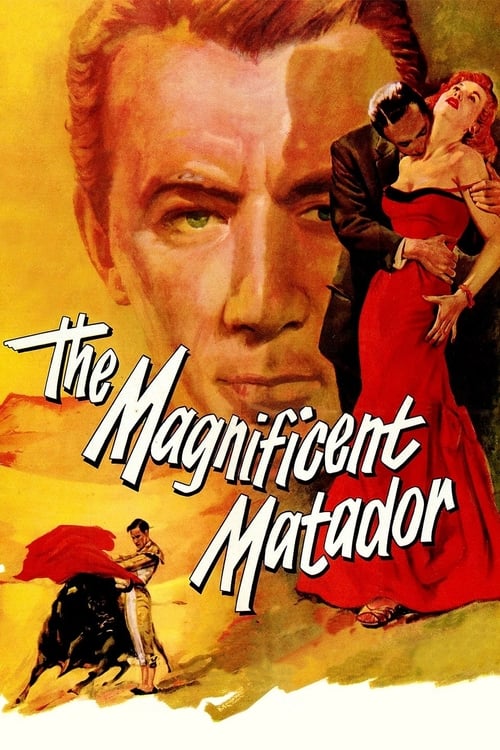
Karen Harrison is a spoiled, rich, American predator who falls head-over-heels for the brooding, tormented, about-to-retire matador, Luis Santos who has inexplicably run away prior to a corrida that was to occasion the "alternativa" of a young, up-and-coming bullfighter.
1927

1960
1951
1950
1941

1972

1937
1944
No reviews yet. Be the first to share your thoughts on this movie!
Use the rating form above to leave a star rating and optional review.