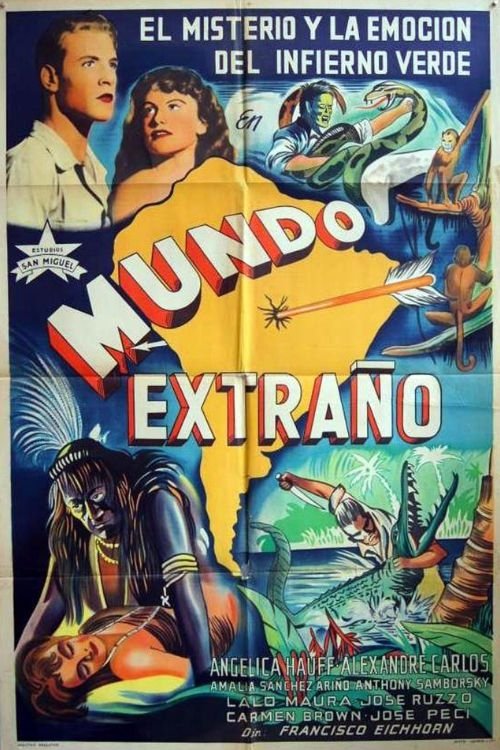
Strange World
1950
No user ratings available yet
Representation score: 1.1 out of 10
Representation Score
Minimal
1975
GDirector
Michael Anderson
Runtime
112 minutes
Average Rating
No ratings yetNew Showbiz Analysis
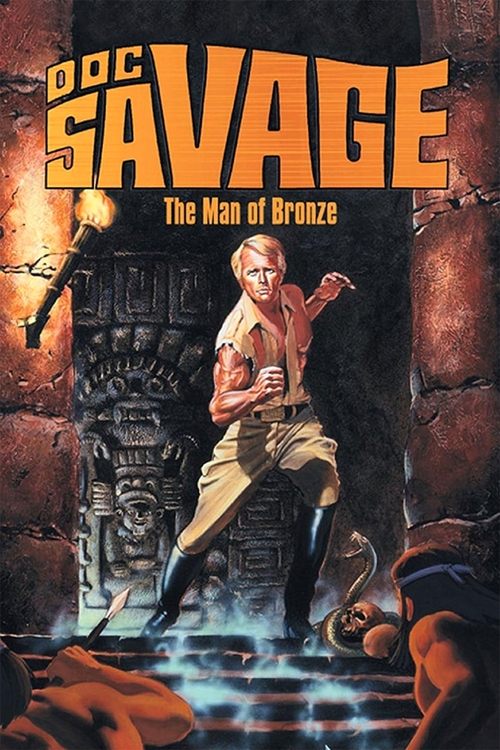
Doc Savage: The Man of Bronze is a quintessential mid-1970s adventure serial that prioritizes pulp heroism over social complexity. The narrative centers on the exceptional capabilities of the protagonist, reinforcing traditional hierarchies without challenging them. The film relies heavily on Western-centric clichés, using exotic landscapes merely as settings for Anglo-Saxon adventures. This approach limits the depth of cultural and racial representation, treating the environment as a backdrop for treasure hunting. Ultimately, the production reflects its temporal context. While it functions effectively as a genre piece, it lacks the intentionality needed to engage with diverse identities or storytelling that reflects multiple aspects of identity.
Category Breakdown
The film does not include any characters with LGBTQ+ identities. The character interactions follow typical mid-century social norms without any queer themes or significant roles.
The story focuses primarily on the male lead, Doc Savage, who drives the narrative. Traditional gender roles reinforce a conventional masculine hierarchy.
South American locations serve as a backdrop for Western explorers. The film follows the 'explorer' cliché without highlighting the self-determination of indigenous peoples.
Western adventure values and individualist heroism dominate the story. The plot revolves around the pursuit of material wealth through a binary moral framework.
There are no characters with visible or invisible disabilities in the film. The storyline emphasizes peak physical performance and prowess.
Present on Screen
Limited or Absent
Official Synopsis
In the Fabulous Thirties, Doc Savage and his five Amazing Adventurers are sucked into the mystery of Doc's father disappearing in the wilds of South America. The maniacal Captain Seas tries to thwart them at every turn as they travel to the country of Hidalgo to investigate Doc's father's death and uncover a vast horde of Incan gold.
1950
1950
1953
1967
1954
1964
1979

1967
No reviews yet. Be the first to share your thoughts on this movie!
Use the rating form above to leave a star rating and optional review.