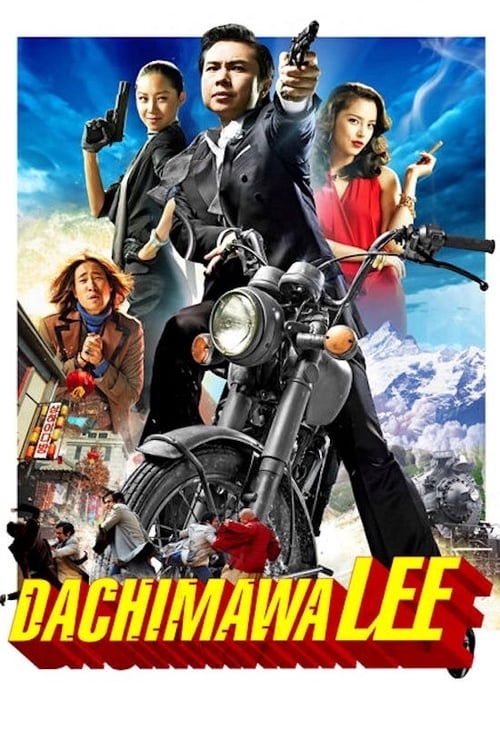
Dachimawa Lee
2008
No user ratings available yet
Representation score: 1.9 out of 10

Representation Score
Fair
2008
RDirector
Kim Jee-woon
Runtime
130 minutes
Average Rating
No ratings yetNew Showbiz Analysis
Kim Jee-woon’s film is a high-octane deconstruction of the Western genre set in 1930s Manchuria. It stands out for its rich, multi-ethnic world-building, capturing the complex tensions of a post-colonial landscape through a diverse cast of Korean, Chinese, and Japanese characters. However, the film is constrained by its narrow focus on a predominantly male cast. Women, LGBTQ+ individuals, and people with disabilities are underrepresented. While the setting provides ethnic depth, the character dynamics remain centered on able-bodied male outlaws. Overall, the film offers a sophisticated critique of imperialism and moral binaries, but its social breadth is limited by its intense focus on masculine-driven action.
Category Breakdown
The film focuses almost entirely on masculine-driven pursuits and lacks any queer narratives or non-straight identities within the main characters.
The story emphasizes hyper-masculinity and the physical competition between the three male leads. Female characters are mostly relegated to supporting roles, often serving as catalysts for male actions rather than driving the plot themselves.
The film successfully portrays a multi-ethnic society with Korean, Chinese, and Japanese characters, reflecting the historical complexities of a contested border region.
The story critiques imperialist expansion and centralized authority by showing traditional institutions as sources of chaos. It uses moral relativism to depict a struggle driven by self-interest and greed.
The film does not include any meaningful representation of physical or neurodivergent disabilities. Characters are defined by their physical agility and combat skills, leaving no room for characters with disabilities to take control.
Present on Screen
Limited or Absent
Official Synopsis
The story of three Korean outlaws in 1930s Manchuria and their dealings with the Japanese army and Chinese and Russian bandits. The Good (a bounty hunter), the Bad (a hitman), and the Weird (a thief) battle the army and the bandits in a race to use a treasure map to uncover the riches of legend.
2008

1964
1995

2013

2007

2006
1966
2015
No reviews yet. Be the first to share your thoughts on this movie!
Use the rating form above to leave a star rating and optional review.