Shock Troops
1967
No user ratings available yet
Representation score: 1.8 out of 10
Representation Score
Limited
1975
PGDirector
Costa-Gavras
Runtime
110 minutes
Average Rating
No ratings yetNew Showbiz Analysis
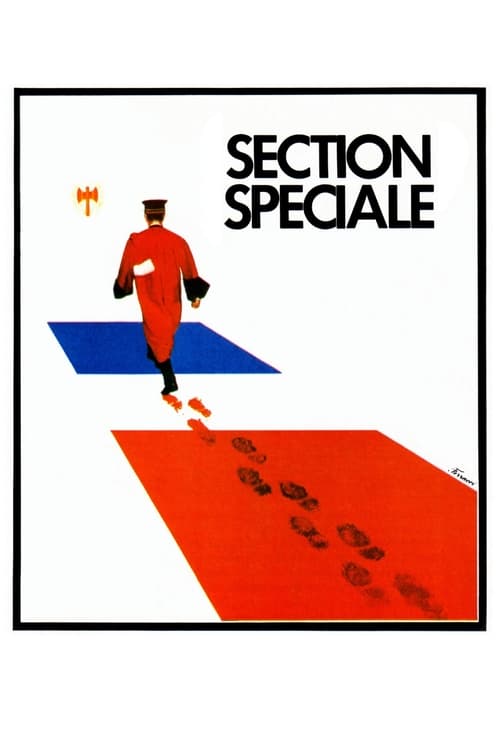
Costa-Gavras presents a cynical political thriller that emphasizes institutional critique over demographic diversity. The film serves as a sophisticated examination of how legal systems can be manipulated to serve state interests during wartime. Though the film lacks representation for LGBTQ+ individuals, women, and diverse ethnic groups, it excels in its intellectual depth. It challenges the sanctity of national institutions by revealing the corruption inherent in centralized power. Ultimately, the work explores systemic injustice, trading character-driven diversity for a deep look into moral relativism and the creation of truth through political necessity.
Category Breakdown
The film does not include any LGBTQ+ characters or non-cisgender identities. The story focuses mainly on the larger political dynamics.
The society portrayed is dominated by men, with conflicts primarily centered around masculine roles such as law and politics. Female characters play minor roles.
The cast is mostly uniform, sticking to the demographic norms of the Vichy-era setting. The film does not use diverse ethnic backgrounds to shape its narrative.
The film shines in breaking down Western institutions. It depicts the legal system as a tool used by the state for oppression rather than seeking justice.
The film does not significantly depict physical or neurodivergent disabilities. Disability is not used as a key element of the story or character development.
Present on Screen
Limited or Absent
Official Synopsis
In Nazi-occupied France, a German officer is assassinated. The Germans demand justice, and the Vichy government is quick to capitulate. Unable to apprehend the actual culprits, Minister of Justice Joseph Barthélémy decides the execution of token Frenchmen will suffice, but the problem is finding judges and jurors eager to participate in a sham trial of innocent men. The solution is a Special Section, a court comprised of individuals handpicked for this exact purpose.
1967
1976
2018

1965
1961
1980
1968
1974
No reviews yet. Be the first to share your thoughts on this movie!
Use the rating form above to leave a star rating and optional review.