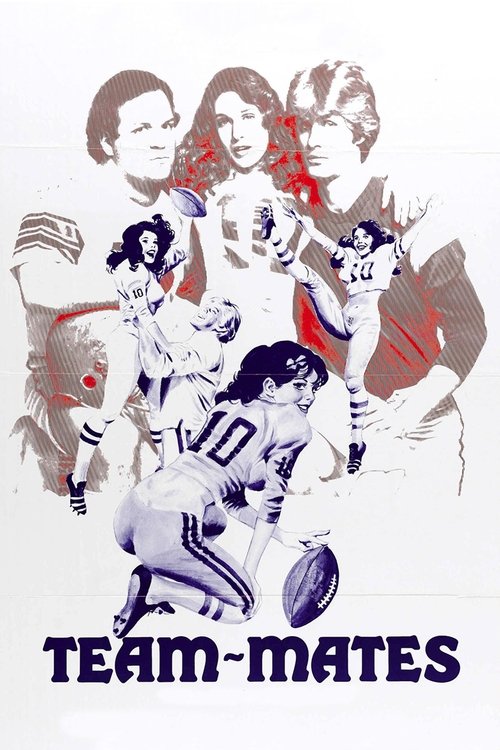
Team-Mates
1978
No user ratings available yet
Representation score: 3.7 out of 10

Representation Score
Fair
1986
PG-13Director
Roger Spottiswoode
Runtime
104 minutes
Average Rating
No ratings yetNew Showbiz Analysis
The film primarily functions as a critique of the Great Depression through a class-based lens, rather than an multi-layered study. It successfully challenges period-typical gender roles through its professional female lead, but fails to include diverse racial or LGBTQ+ perspectives. While the narrative provides a sophisticated look at systemic institutional failure and the ethics of survival, the lack of representation across several key identity markers limits its overall score. It is a period piece that prioritizes economic friction over social diversity.
Category Breakdown
The film does not include any LGBTQ+ characters or non-straight relationships. The social and romantic dynamics revolve around traditional pairings, maintaining a strictly straight-centered structure.
Annette Bening’s character challenges the passive female stereotype of the 1930s by acting as a professional journalist. Her intellectual presence and active role subverts the era's typical expectations of female passivity.
The narrative focuses on socioeconomic divisions within a largely homogeneous urban setting. It lacks significant racial or ethnic diversity in its central character arcs.
The film offers a sharp critique of capitalist structures and the failures of Western economic institutions. It portrays the struggles of the working class against an oppressive system.
There is no representation of physical, neurodivergent, or mental health disabilities within the plot or character arcs.
Present on Screen
Limited or Absent
Official Synopsis
A small-town loser determines to have one more shot at the big time by winning a football game.
1978
1992

2001
1976
1977

1983
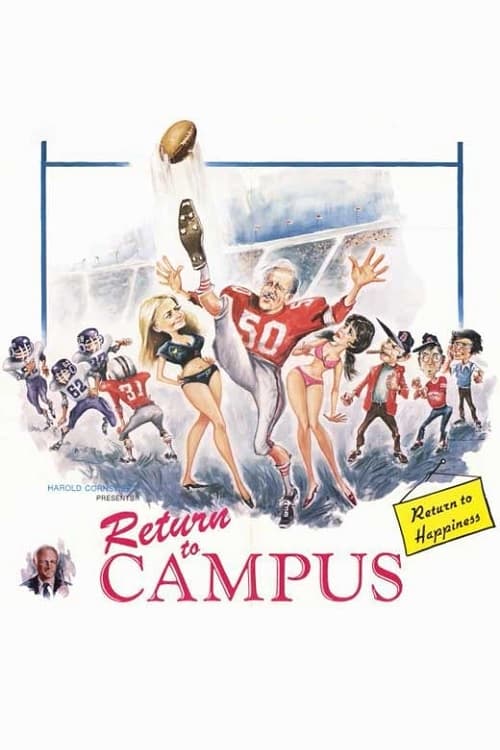
1975

2009
No reviews yet. Be the first to share your thoughts on this movie!
Use the rating form above to leave a star rating and optional review.