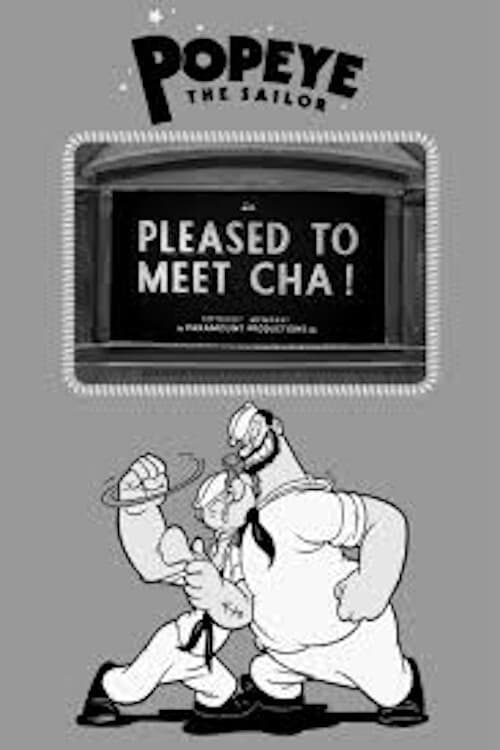
Pleased to Meet Cha!
1935
No user ratings available yet
Representation score: 0.4 out of 10
Representation Score
Limited
1935
Director
Dave Fleischer
Runtime
7 minutes
Average Rating
No ratings yetNew Showbiz Analysis
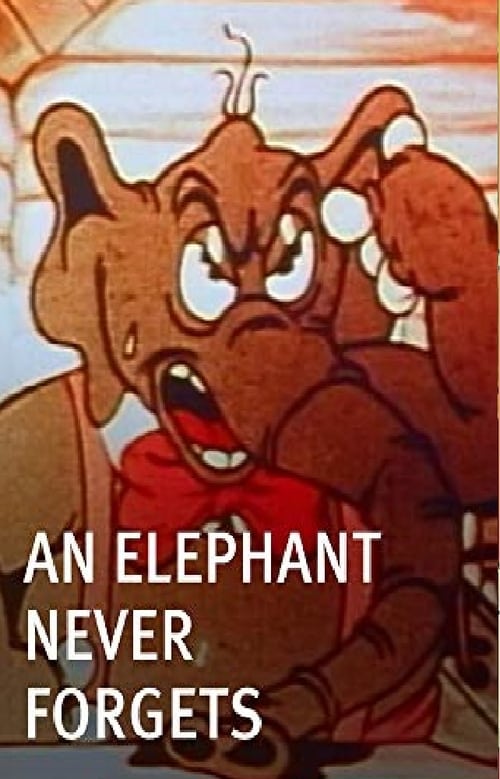
An Elephant Never Forgets is a rhythmic slapstick film that uses animal characters to create physical comedy. Since the characters are non-human, the film operates outside the frameworks of contemporary identity politics, focusing on the interplay between authority and chaos. The narrative lacks the structure needed for storytelling that reflects multiple aspects of identity. Characters serve the gag rather than complex social roles. The setting is a closed system of humor that avoids both direct representation and obvious caricatures. Overall, the film functions as a traditional animated piece. It prioritizes physical coordination and institutional order over any substantial exploration of diverse lived experiences.
Category Breakdown
The film does not depict any non-straight or non-cisgender identities. Animal characters are used solely for physical comedy and musical routines.
A goose holds a leadership position as a teacher, but the characters are used primarily for comedic purposes rather than as nuanced subjects. Gender roles are not explored deeply.
The cast consists entirely of anthropomorphized animals in a typical classroom setting. There are no human characters, so there is no direct analysis of racial or ethnic representation.
The story emphasizes traditional educational structures and teacher-student hierarchies. It follows a conventional cycle of order and disruption that aligns with traditional views of social stability.
The elephant's weight is used as a humorous element. The film does not explore physical or neurodivergent experiences in a meaningful way, focusing instead on rhythmic gags.
Present on Screen
Limited or Absent
Official Synopsis
A collection of animals goes to school; their teacher, a goose, asks them several questions, during which time an ape, sitting behind an elephant, keeps tormenting the elephant. The teacher leaves the room, putting a turtle in charge. While she's gone, things go fine for a while, but the ape starts an all-out book tossing brawl. As the teacher returns, everyone suddenly stops, and although the room is a shambles, she congratulates them on behaving and dismisses them for the day.
1935
1938
1929
1936
1935
1933
1936
1934
No reviews yet. Be the first to share your thoughts on this movie!
Use the rating form above to leave a star rating and optional review.