
That Time I Got Reincarnated as a Slime the Movie: Scarlet Bond
2022
No user ratings available yet
Representation score: 7.6 out of 10
Representation Score
Good
2018
Director
Shigeharu Takahashi
Runtime
100 minutes
Average Rating
No ratings yetNew Showbiz Analysis
The film stands out by challenging traditional domestic structures through exploring how grief and poverty shape social bonds. It shifts focus from the conventional nuclear family to celebrate chosen kinship through spiritual and emotional connections. However, the narrative remains confined by its historical setting and a lack of explicit engagement with contemporary identity politics. While the yo-kai symbolize underrepresented existence, the human characters lack diverse identity markers. Ultimately, the film offers a character-driven exploration of resilience. It prioritizes a deep, thematic examination of how individuals rebuild meaning after loss over broad demographic representation.
Category Breakdown
The story centers on platonic and familial bonds among the main trio. There are no explicit representations of non-straight or non-cisgender identities or same-sex romantic relationships.
Tae provides spiritual leadership by being the only one who can perceive the supernatural. The film avoids rigid masculine stereotypes by highlighting shared emotional vulnerability.
Set in 1960s Tokyo, the human cast mirrors the era's historical homogeneity. Yo-kai act as metaphors for 'otherness' and those on the societal margins.
The film dismantles the traditional nuclear family by focusing on characters who have experienced profound loss. It promotes a chosen family model formed through shared trauma and spiritual ties.
There are no explicit depictions of physical or neurodivergent disabilities. The characters' interactions with the yo-kai world serve as a metaphor for recognizing an invisible reality.
Present on Screen
Limited or Absent
Official Synopsis
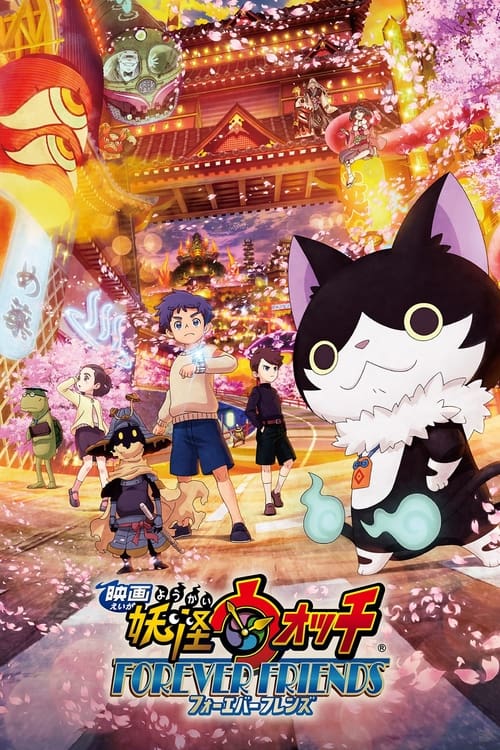
The film tells the story of interweaving friendships between three children and yo-kai. The film is set in 1960s Tokyo, in Sakura Motomachi. A boy named Shin lives a poor but happy life. When his mother — his only family member — dies, Shin's unhappiness hits rock bottom. That is when another boy named Itsuki saves Shin. Itsuki has also lost his older sister. Shin, Itsuki, and a young girl named Tae who can see yo-kai all become friends. Shin's guardian spirit Suu-san, a "Nekomata" cat, and other new yo-kai join their group, and this group is able to regain what it means to have a precious family. This new family must now face a mysterious incident, and a shocking reality awaits them.
2022

2010
2015
2018
2003
2017
2016
2021
No reviews yet. Be the first to share your thoughts on this movie!
Use the rating form above to leave a star rating and optional review.