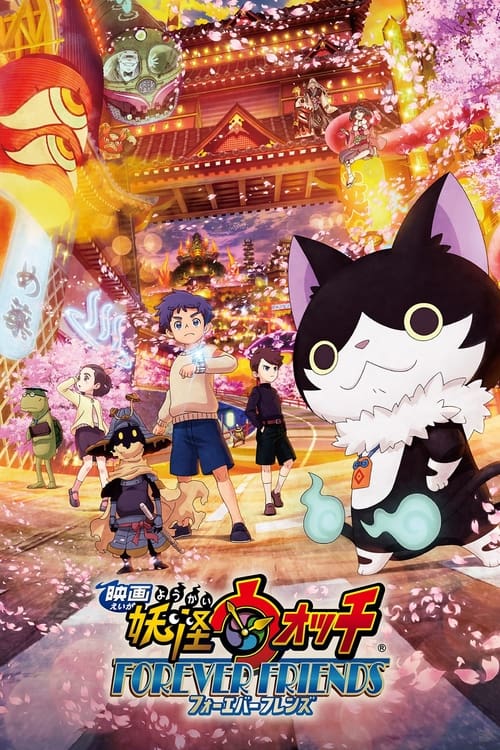
Yo-kai Watch: Friends Forever
2018
No user ratings available yet
Representation score: 6.7 out of 10

Representation Score
Limited
2015
TV-Y7-FVDirector
Kunihiko Yuyama
Average Rating
No ratings yetNew Showbiz Analysis
This film operates as a traditional narrative that prioritizes franchise stability and established genre clichés. It adopts a standardized, universalist approach to storytelling that avoids deconstructing social or gender hierarchies. The production maintains a homogeneous social landscape, lacking intentionality regarding diverse identity exploration. Character dynamics center on conventional archetypes rather than complex identity narratives. Ultimately, the work focuses on themes of friendship and social integration, opting for a safe, moralistic world that avoids challenging systemic structures or presenting diverse human identities.
Category Breakdown
The film does not include any characters with non-binary gender identities or same-sex relationships. The focus is on heterosexual friendships without exploring queer identities.
The narrative follows traditional gender roles typical in adventure animation. Female characters pass the Bechdel test, but the male protagonist primarily drives the plot.
Human characters adhere to standard anime designs without specific ethnic markers. Pokémon are used as fantastical creatures without representing underrepresented human groups.
The story emphasizes social cohesion and friendship within a stable moral framework. It avoids institutional critiques, presenting Hoopa's mischief as a developmental challenge.
There is no representation of physical, sensory, or neurodivergent disabilities. All characters are portrayed as able-bodied without exploring diverse lived experiences.
Present on Screen
Limited or Absent
Official Synopsis
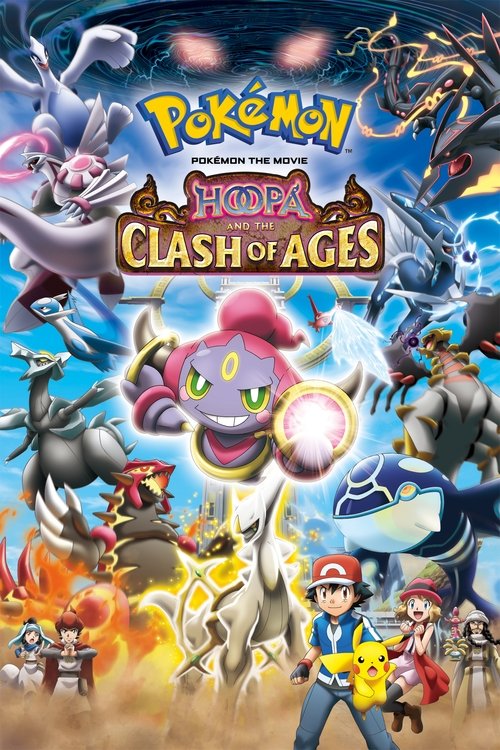
The story of how Baraz and Meray tried to teach a Hoopa to behave, when they were kids. This is a prologue to the "Hoopa and the Clash of Ages" movie.
2018
2009
2001
2007

2010
2008
2012
2015
No reviews yet. Be the first to share your thoughts on this movie!
Use the rating form above to leave a star rating and optional review.