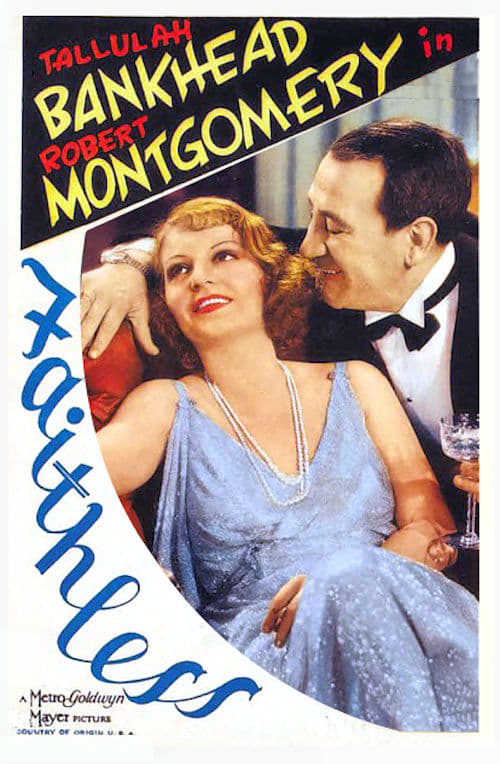
Faithless
1932
No user ratings available yet
Diversity score: 1.9 out of 10
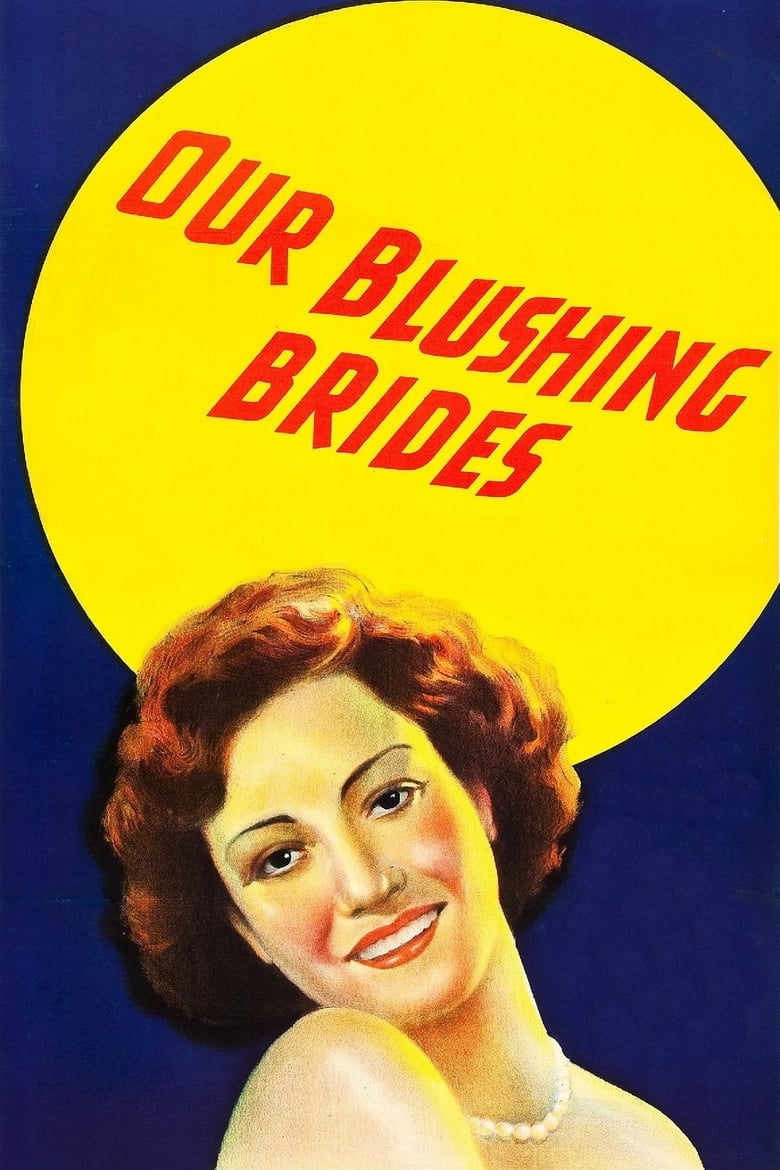
1930
PassedDirector
Harry Beaumont
Runtime
99 minutes
Average Rating
No ratings yetSynopsis
Gerry, Connie, and Franky are small-town girls seeking wealthy husbands in New York City. But, while Connie and Franky are reckless with their affections — one bedding a married man and the other marrying a scoundrel — Gerry is determined to remain practical. As she mothers her wounded, heartbroken friends, she stalwartly but foolishly resists the advances of the good-hearted and affluent Tony Jardine.
Overall Score
Minimal
Category Breakdown
LGBTQ+ Representation
The film focuses exclusively on heteronormative romantic pursuits. There is no evidence of non-cisnormative identities or critiques of traditional heterosexuality.
Gender Representation
Female characters drive the plot, but their agency is tied to securing husbands and wealth. The narrative reinforces archetypes like the reckless woman versus the practical nurturer.
Racial & Ethnic Diversity
The story centers on a homogeneous social group. There is no indication of racial blending or diverse ethnic perspectives within the narrative.
Religious & Cultural Diversity
The film upholds traditional Western values and social hierarchies. It emphasizes marriage as a tool for economic stability and moral propriety.
Disability Representation
The narrative contains no mention of characters navigating physical, sensory, or neurodivergent experiences.
Strengths
Areas for Improvement
AI Analysis
Our Blushing Brides is a conventional 1930s melodrama that prioritizes traditional romantic tropes. The story uses female protagonists to explore social mobility, yet it ultimately reinforces established gender roles and moral hierarchies. The film lacks intersectional complexity, focusing instead on a singular, standardized Western framework. It functions as a cautionary tale that rewards traditional virtue and domesticity while penalizing characters who deviate from social norms. Ultimately, the production adheres to the escapist and conservative narrative structures typical of the early sound era, offering little in the way of social subversion or diverse representation.
1932
1931
1932
1931
1928
1934
1920
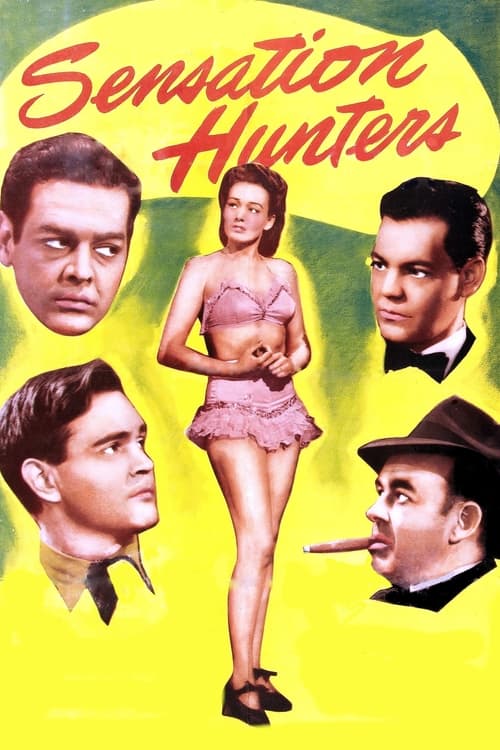
1945
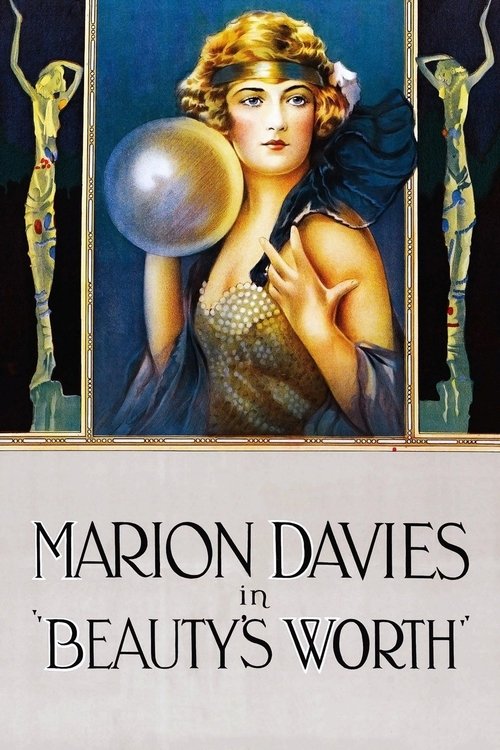
1922
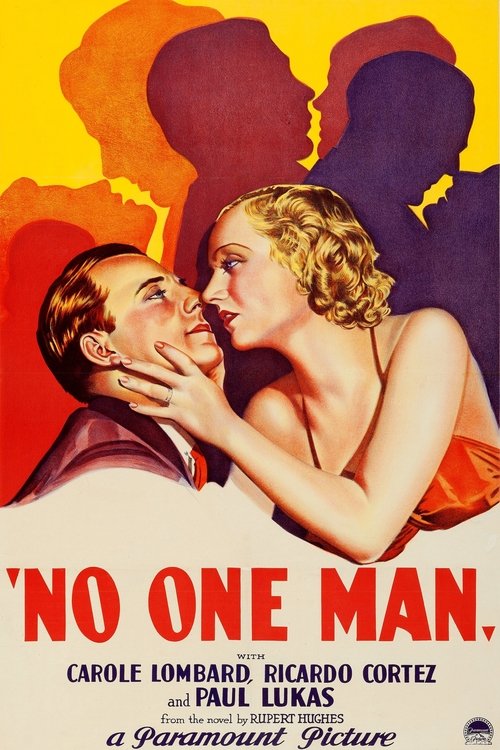
1932
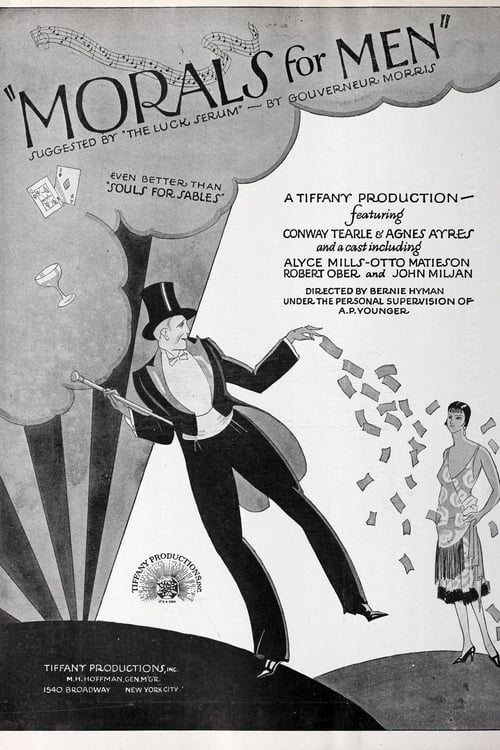
1925
1925
No reviews yet. Be the first to share your thoughts on this movie!
Use the rating form above to leave a star rating and optional review.