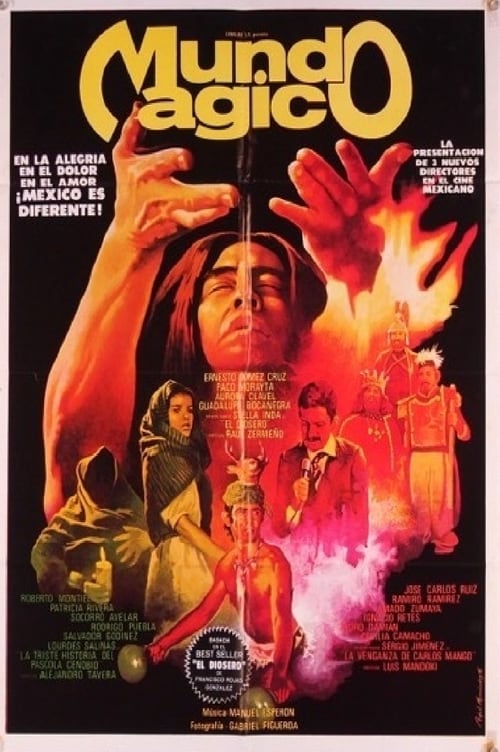
Mundo mágico
1983
No user ratings available yet
Representation score: 3.5 out of 10
Representation Score
Fair
1967
Director
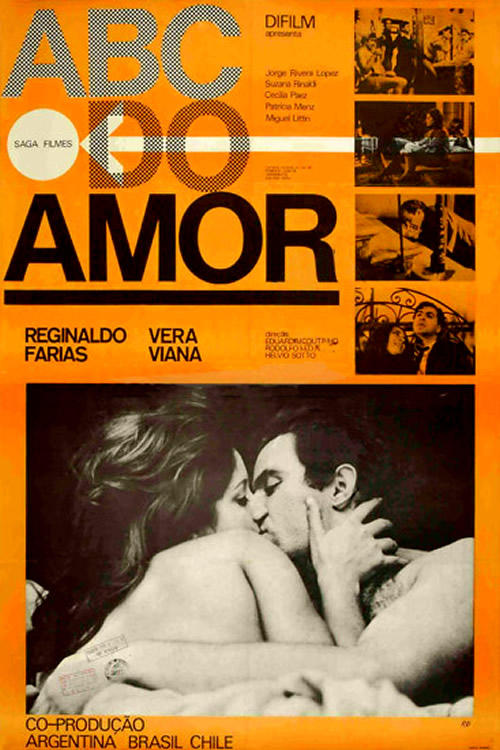
Eduardo Coutinho, Helvio Soto, Rodolfo Kuhn
Runtime
110 minutes
Average Rating
No ratings yetNew Showbiz Analysis
The ABC of Love functions as a historical artifact of Brazilian Cinema Novo, emphasizing social realism over studio artifice. Its strength lies in its rejection of polished, commercial narratives in favor of raw social textures. While the film avoids Eurocentric homogeneity and traditional romantic clichés, it lacks explicit markers of diverse identities. The absence of clear LGBTQ+ narratives or disability representation limits its overall diversity score. Ultimately, the work balances traditional storytelling with a socio-political perspective, offering a nuanced exploration of human connections.
Category Breakdown
The film does not explicitly depict queer identities or same-sex relationships. Although the era's humanism often explored unconventional intimacy, there are no clear representations of non-straight or non-cisgender identities.
The anthology format presents various interpersonal dynamics, which may challenge idealized, romanticized femininity. However, the specific roles and actions of female characters remain unspecified within the segments.
The film is rooted in the Cinema Novo movement and engages with Brazil's diverse ethnic social fabric. The directors aim to highlight complex social realities rather than Eurocentric standards.
The structure focuses on subjective morality and the complexities of the human condition. It critiques established social structures and explores the tension between individuals and tradition.
There is no evidence of the portrayal of physical or neurodivergent disabilities in these segments.
Present on Screen
Limited or Absent
Official Synopsis
Film that includes three short films by different authors about love: "O pacto" by Eduardo Coutinho, "Terrible Night" by Rodolfo Kuhn, and "Magic World" by Helvio Soto.
1983

2014
1973

1970
1962
1965

2004
2000
No reviews yet. Be the first to share your thoughts on this movie!
Use the rating form above to leave a star rating and optional review.