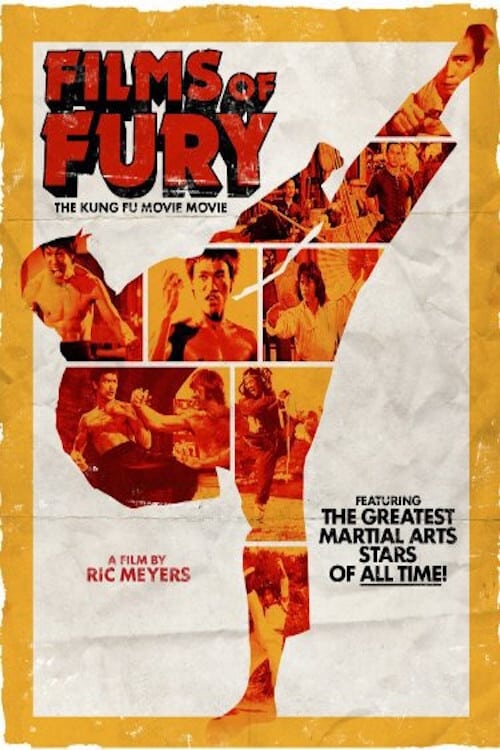
Films of Fury: The Kung Fu Movie Movie
2011
No user ratings available yet
Diversity score: 5.4 out of 10
1995
Director
John Tobias, Ed Boon
Runtime
18 minutes
Average Rating
No ratings yetSynopsis
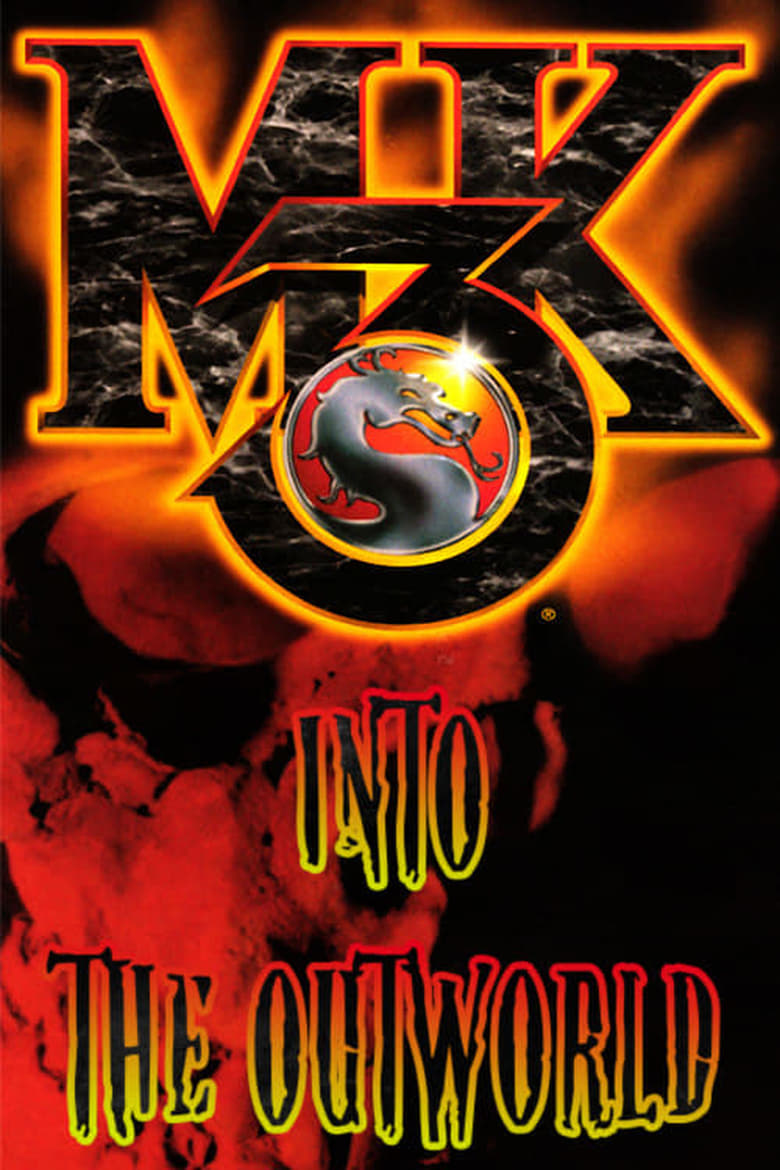
Behind Mortal Kombat 3: Into The Outworld was a piece of promotional material used to promote the upcoming Mortal Kombat 3. It was later included along with Midway Arcade Treasures that shipped with Mortal Kombat 3.
Overall Score
Fair
Category Breakdown
LGBTQ+ Representation
The documentary focuses on technical game mechanics rather than identity-driven narratives. While the franchise features diverse character archetypes, there is no explicit depiction of LGBTQ+ intimacy or identity.
Gender Representation
Female fighters are highlighted with significant combat agency and physical strength. However, the production adheres to mid-90s standards that often prioritize stylized, hyper-feminine aesthetics over subverting gender hierarchies.
Racial & Ethnic Diversity
The creative team utilizes a global approach to character design, blending various ethnic aesthetics. This avoids a homogeneous Western norm and disrupts conventional expectations for the fighting game genre.
Religious & Cultural Diversity
The setting of Outworld serves as a metaphor for complex, non-Western power dynamics. The work moves away from traditional Western institutional morality in favor of a relativistic combat setting.
Disability Representation
The footage focuses almost exclusively on peak bodily performance and physical prowess. There is no discernible representation of neurodivergence, chronic illness, or visible disabilities.
Strengths
Areas for Improvement
AI Analysis
This promotional documentary showcases a creative team with significant foresight regarding racial and ethnic diversity. By utilizing global influences and diverse character origins, the creators successfully avoided the homogeneous Western norms common in the mid-90s. However, the work remains tethered to the era's limitations regarding gender and disability. While female characters possess combat agency, they are often framed through hyper-feminine aesthetics, and the emphasis on physical perfection leaves no room for disability representation. Ultimately, the production reflects a transitional period in media. It succeeds in building a globally diverse intellectual property while still adhering to traditional tropes in other social categories.
2011
1979
2004

1994

2002

2019
2017
1994

2015
2015
2012
2012
No reviews yet. Be the first to share your thoughts on this movie!
Use the rating form above to leave a star rating and optional review.