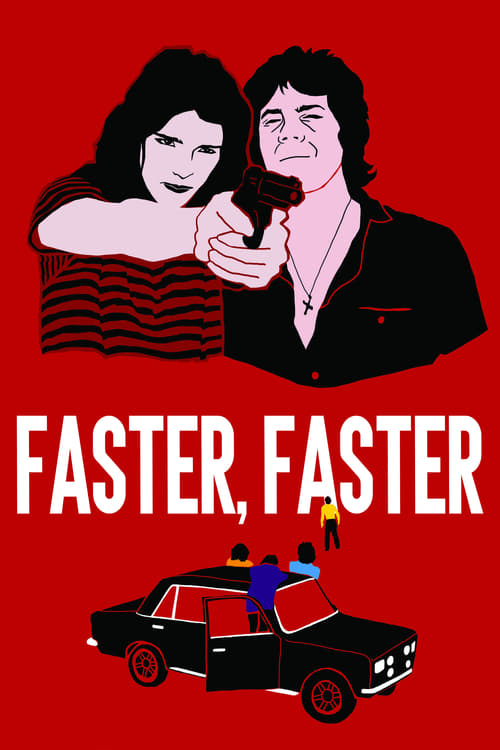
Faster, Faster
1981
No user ratings available yet
Representation score: 7.3 out of 10
Representation Score
Fair
1983
Director
Solveig Nordlund
Runtime
90 minutes
Average Rating
No ratings yetNew Showbiz Analysis
Solveig Nordlund’s direction moves away from linear moralism, focusing on character studies that examine the tension between personal desires and societal structures. The film deconstructs traditional gender roles and provides cultural depth through its historical context. However, it lacks specific markers for LGBTQ+ representation and does not detail racial diversity. Ultimately, the work stands out by refusing traditional moral hierarchies, turning a crime drama into a study of systemic instability during a time of national transition.
Category Breakdown
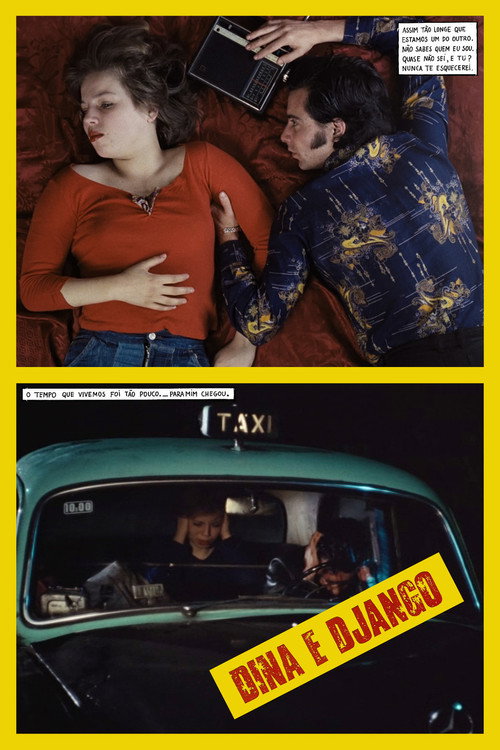
The film centers on the romantic and criminal relationship between Dina and Django, without depicting any specific LGBTQ+ identities or non-straight relationship structures.
Dina transforms from a passive housekeeper to a violent co-conspirator, challenging the traditional damsel in distress cliché and emphasizing her destructive autonomy.
Set during Portugal's mid-1970s decolonization, the film explores a period of national identity shift. Though not explicitly detailed, the multi-ethnic cast reflects the era's sociopolitical volatility.
The film avoids moralistic clichés by framing crime within a landscape of systemic social upheaval, using the transition to democracy to critique existing institutions.
There are no visible or invisible disabilities portrayed that impact the narrative arc of the characters.
Present on Screen
Limited or Absent
Official Synopsis
Dina (Maria Santiago) is a teenager brought up by her grandmother, employed as a housekeeper for a fairly well-off family. Since Dina only has her grandmother, she spends her time fantasizing about her life and reading comic-book love stories -- activities that do nothing to improve her dim perspective of reality. Due to these handicaps and her own inexperience, she gets involved with Django (Luis Lucas), a shady character who decides to use her as bait to attract men and then rob them. One day when both are in a taxi with robbery in mind, the driver gets suspicious so Django shoots him, and so does Dina. She escapes and runs away -- though it seems like she has learned too little too late. This story unfolds against a time of upheaval in Portugal (mid-1970s) when the military government is formulating a constitution and social changes are happening everywhere.
1981
2013
1998
1943
1972
1970
1996
1974
No reviews yet. Be the first to share your thoughts on this movie!
Use the rating form above to leave a star rating and optional review.