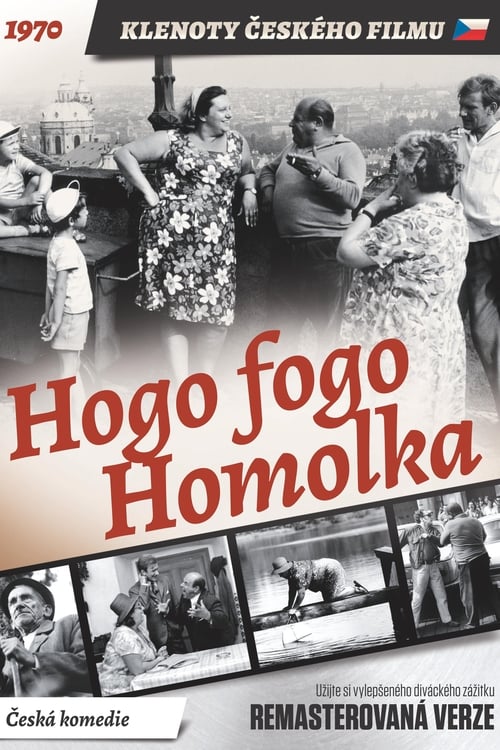
Hogo Fogo Homolka
1971
No user ratings available yet
Representation score: 4.2 out of 10
Representation Score
Limited
1997
Director
Angelo Colagrossi
Runtime
83 minutes
Average Rating
No ratings yetNew Showbiz Analysis
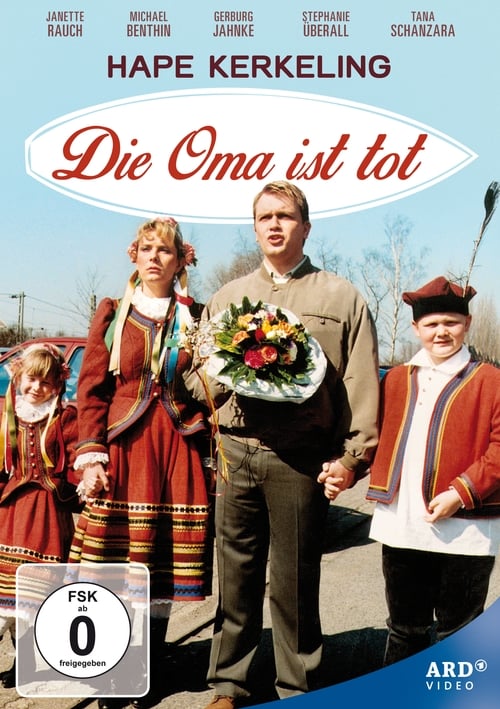
Die Oma ist tot is a localized domestic comedy that relies on conventional social structures. It gains interest through the intersection of Polish and German identities, using migration and cross-border connections to enrich the family dynamic. However, the film remains tied to traditional gender norms and lacks significant LGBTQ+ or disability representation, focusing instead on the challenges of a standard family unit.
Category Breakdown
The film follows a traditional nuclear family structure without any queer narratives or non-cisgender identities.
The plot centers around a multi-generational family where the matriarch drives the story, but traditional domestic roles remain.
Ethnic complexity is introduced through the grandmother's Polish heritage and Grandpa Pyotr, adding a layer of cross-border identity to the comedy.
The story explores economic realities related to funerals and prioritizes familial duty over systemic critique.
The narrative does not include characters dealing with physical, neurodivergent, or mental health conditions.
Present on Screen
Limited or Absent
Official Synopsis
Grandma Vera travels by bus from a small Polish town to Pinneberg to celebrate her birthday with granddaughter Linda, her husband Lothar and their two children Jan and Christina. Together with Lothar's stuffy, uptight parents, they spend a fun-filled evening. But the next morning, Grandma is dead. Although Grandma Vera actually wanted to lie next to Grandpa Pyotr in her hometown of Kovalov, the family cannot afford an expensive funeral. So there is only one option: to transport Grandma themselves.
1971
1985

2019
1982

2009
2012

2017
2008
No reviews yet. Be the first to share your thoughts on this movie!
Use the rating form above to leave a star rating and optional review.