
Sparks & Embers
2015
No user ratings available yet
Diversity score: 3.6 out of 10
1995
Director
Manuel Flèche
Runtime
85 minutes
Average Rating
No ratings yetSynopsis
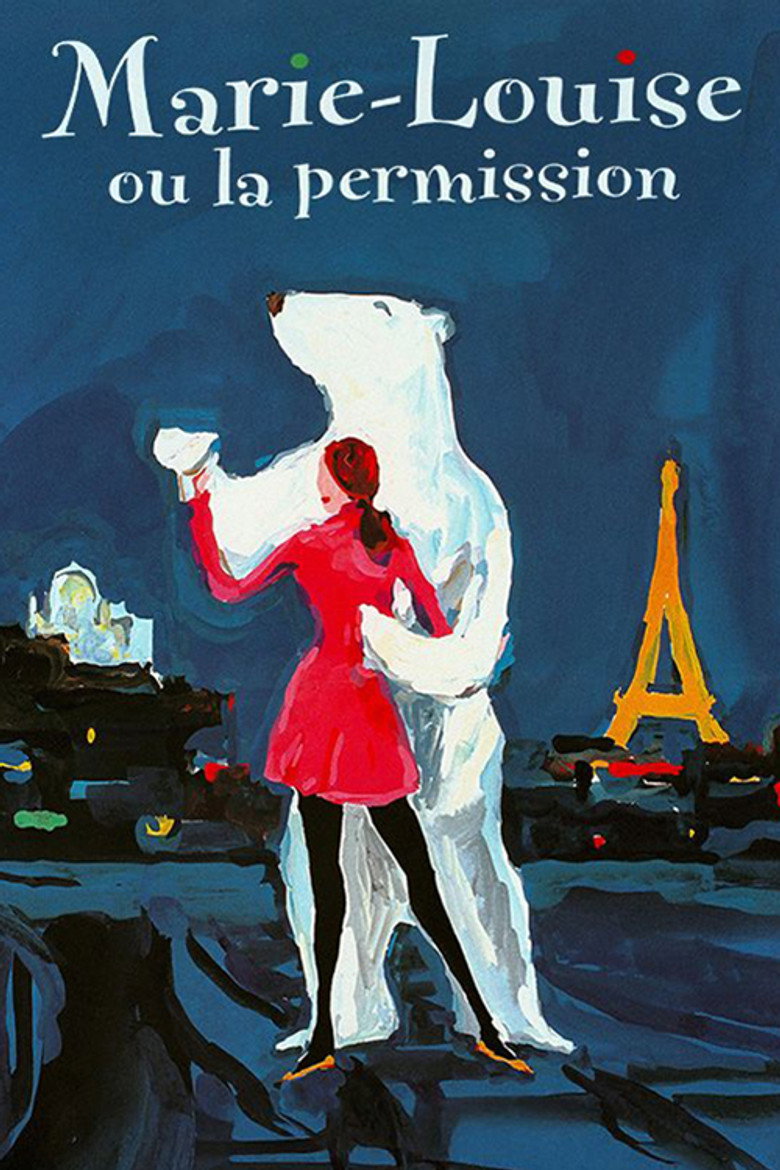
Star crossed lovers are the focus of this French romantic comedy. Marie-Louise, an American, has come to Paris to meet her new lover, Jean-Paul who has a weekend pass from his military service post. Unfortunately they misunderstood each other's instructions and are each at different train stations. They begin desperate searches throughout the night to find each other. The are hindered by Jean-Paul's ex-lover Marie, whom he rejected. Marie will do anything to get rid of Marie-Louise and win Jean-Paul back. Marie-Louise has her own problems when Jean falls for her. Jean accidently gets her involved with the police after he is arrested on the suspicion of pickpocketing. Despite their travails, the couple still tries to find each other. In the end, they are assisted by a magical nun who finally reunites them.
Overall Score
Limited
Category Breakdown
LGBTQ+ Representation
The story centers on a traditional heterosexual romance. While a rejected ex-lover is mentioned, the plot lacks non-cisnormative identities or critiques of heteronormativity.
Gender Representation
Female characters are primarily defined by their competition for male attention. This reliance on the 'rival' trope fails to showcase female agency outside of romantic pursuit.
Racial & Ethnic Diversity
Diversity is limited to the nationality of the American protagonist. The narrative follows a standard Western European model without disrupting Eurocentric norms.
Religious & Cultural Diversity
The film relies on traditional structures like military service and religious figures. A magical nun provides the resolution, reinforcing conventional spiritual interventions.
Disability Representation
There are no visible or invisible disabilities mentioned within the character arcs or plot drivers.
Strengths
Areas for Improvement
AI Analysis
Marie-Louise ou la permission is a conventional French romantic comedy that prioritizes genre tropes over social deconstruction. The narrative follows a standard star-crossed lovers arc, relying on established institutions like the military and the church to drive the plot and resolution. While the film introduces international movement through an American character in Paris, it remains firmly rooted in Western European norms. The character dynamics, particularly between the women, lean on outdated tropes rather than offering nuanced perspectives on gender or identity. Ultimately, the film functions as a traditional genre piece. It lacks significant representation of LGBTQ+ identities or racial diversity, focusing instead on a heteronormative romantic conflict.
2015
1938

2015
2005
1972
1967
1989

1988
1995

1978
2005
No reviews yet. Be the first to share your thoughts on this movie!
Use the rating form above to leave a star rating and optional review.