
Web of Deception
1989
No user ratings available yet
Representation score: 1.6 out of 10
Representation Score
Minimal
1980
RDirector
Ted Post
Runtime
104 minutes
Average Rating
No ratings yetNew Showbiz Analysis
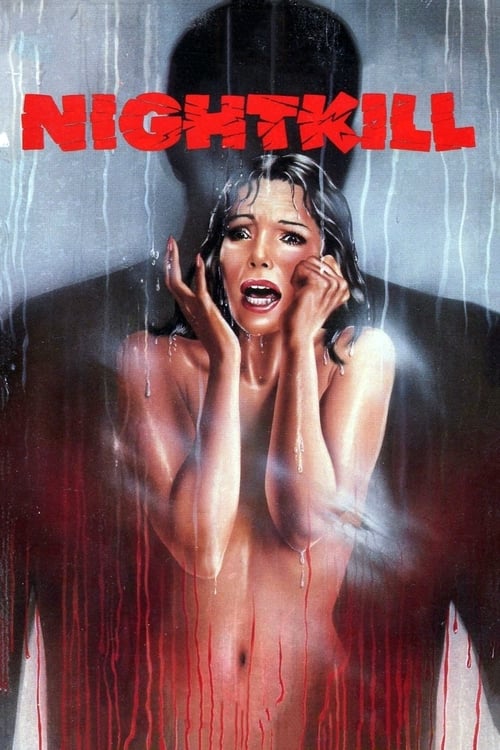
Nightkill is a conventional suspense thriller centered on personal morality and the consequences of deceit. The narrative focuses on a single protagonist's descent into intrigue rather than any systemic critique of social or political structures. The film adheres to established genre conventions typical of 1980s crime cinema. It prioritizes individual ability to act and character-driven guilt over the exploration of identity politics or multi-layered complexity. Ultimately, the work lacks the intentional disruption of social hierarchies necessary for a more progressive representation score, remaining rooted in traditional Western class archetypes.
Category Breakdown
The film does not include any characters with non-straight sexual orientations or same-sex relationships. The story revolves around deception within a traditional family setting.
A female character leads the plot, but her role is defined by moral failures and victimhood. The narrative does not challenge traditional gender roles or patriarchal structures.
The setting depicts a wealthy industrialist, indicating a lack of racial diversity among the upper class. There is no evidence of diverse casting or racial complexity.
The narrative follows individualistic morality and traditional cause-and-effect storylines. It does not explore systemic oppression or the impact of Western institutions.
The film does not feature any characters with visible or invisible disabilities. The plot does not consider how neurodivergence or physical impairments might affect the story.
Present on Screen
Limited or Absent
Official Synopsis
The wife of a wealthy industrialist finds herself caught-up in a web of intrigue & murder which was created by her own deceit. When she tries to escape the results of her actions, she too falls victim to deception.
1989

1971

1970

1973

1969

1958

1990

1973
No reviews yet. Be the first to share your thoughts on this movie!
Use the rating form above to leave a star rating and optional review.