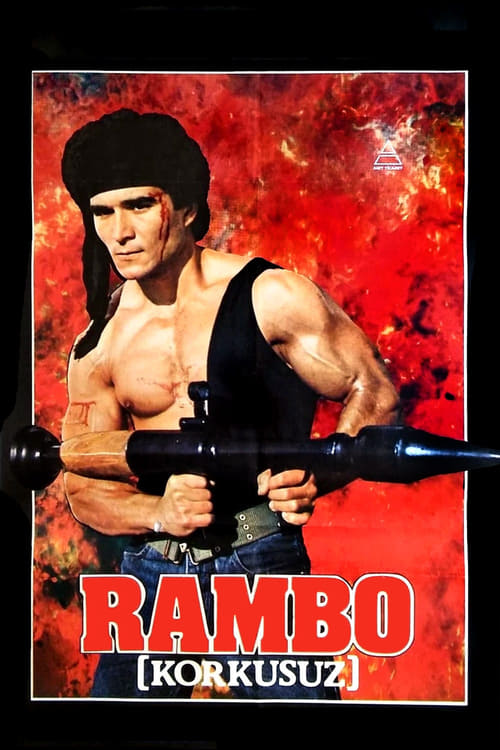
Rampage
1986
No user ratings available yet
Representation score: 3.4 out of 10
Representation Score
Limited
2001
Director
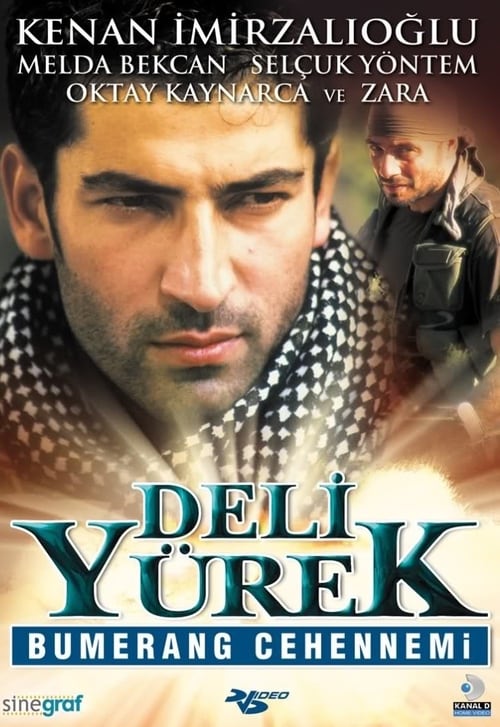
Osman Sınav
Runtime
123 minutes
Average Rating
No ratings yetNew Showbiz Analysis
The film operates as a traditional action-drama centered on personal honor and regional conflict. It adheres to established cinematic clichés regarding heroism and social stability rather than exploring multi-layered identities. While the setting in southeast Turkey provides a backdrop for ethnic and political tension, the narrative remains anchored in conventional social roles. The focus stays on a centralized male protagonist navigating systemic violence. Ultimately, the work prioritizes themes of justice and vengeance over challenging traditional hierarchies or representing underrepresented groups.
Category Breakdown
The film does not include any LGBTQ+ characters or narratives. The plot revolves around traditional social structures and communal wedding rituals that emphasize conventional frameworks.
Female characters like Leyla play a significant role in driving the emotional stakes, but they have limited control over their own destinies. The resolution of the conflict depends on the male protagonist following a conventional heroic archetype.
The setting in Diyarbakır introduces regional ethnic and political complexities. However, the film presents a typical regional portrayal without intentionally disrupting ethnic hierarchies.
The story is deeply rooted in Turkish customs, such as the halay dance. It emphasizes loyalty and vengeance within established social and communal bonds.
There is no focus on characters with physical or neurodivergent disabilities within the narrative.
Present on Screen
Limited or Absent
Official Synopsis
Yusuf Miroğlu and Zeynep travel to Diyarbakır in southeast Turkey to attend his best friend Cemal's wedding. While performing the traditional halay dance at the wedding, Cemal is killed by an assassin. Cemal's widowed wife Leyla pleads Yusuf to find the people behind the murder and bring them to justice. Yusuf finds himself caught in a struggle against the PKK and other terrorist groups in the area.
1986
1982
2009
2022
1969
2009
2014
2009
No reviews yet. Be the first to share your thoughts on this movie!
Use the rating form above to leave a star rating and optional review.