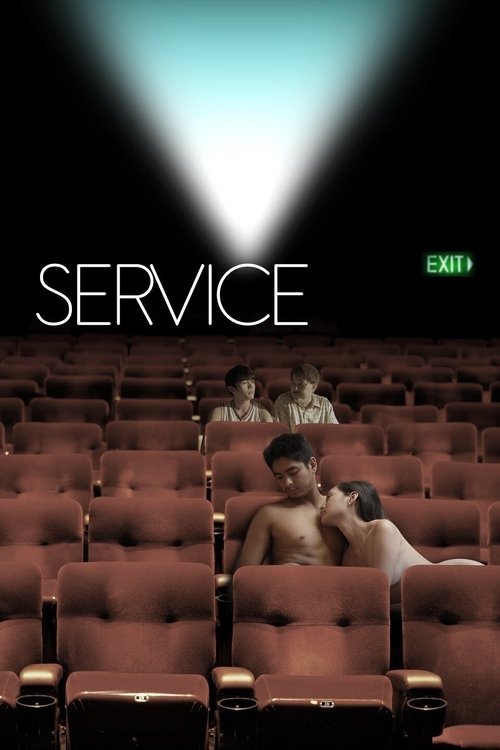
Serbis
2008
No user ratings available yet
Representation score: 8.5 out of 10

Representation Score
Fair
2007
Director
Brillante Ma Mendoza
Runtime
98 minutes
Average Rating
No ratings yetNew Showbiz Analysis
Brillante Ma Mendoza uses social realism to critique institutional structures and highlight the lived experiences of underrepresented communities. The film shifts the focus from legal definitions of family to the subjective realities of human connections. While it does not engage with LGBTQ+ or disability-centric narratives, it excels in deconstructing Western-centric views on state legitimacy. It offers a nuanced look at how individuals navigate flawed bureaucratic systems. The film's strength lies in its multi-layered approach to socioeconomic struggles, centering the maternal experience and local cultural contexts to disrupt traditional social hierarchies through a deeply human lens.
Category Breakdown
The film focuses on a heterosexual couple and does not include any non-binary or LGBTQ+ identities or relationships.
The story centers on the emotional and cognitive work of the female protagonist, Thelma, highlighting her ability to act and the intensity of her role as a mother.
A predominantly Filipino cast portrays a non-Western socioeconomic environment authentically, avoiding a Western perspective and emphasizing localized viewpoints.
The film critiques state-run social welfare systems and bureaucratic governance, challenging the idea of legal parenthood versus emotional parenthood.
There are no characters with visible or invisible disabilities that play a central role in the narrative or serve as key themes.
Present on Screen
Limited or Absent
Official Synopsis
Thelma, together with her husband Dado and teenage sons Gerald and Yuri, are a poor urban family hired by a local foster care facility to provide temporary home and care to abandoned babies pending the latter's formal adoption.
2008
1994

2016

2018
2018
1995

2009

2012
No reviews yet. Be the first to share your thoughts on this movie!
Use the rating form above to leave a star rating and optional review.