
Memoir of a Snail
2024
No user ratings available yet
Representation score: 8.1 out of 10
Representation Score
Excellent
2016
PG-13Director
Claude Barras
Runtime
66 minutes
Average Rating
No ratings yetNew Showbiz Analysis
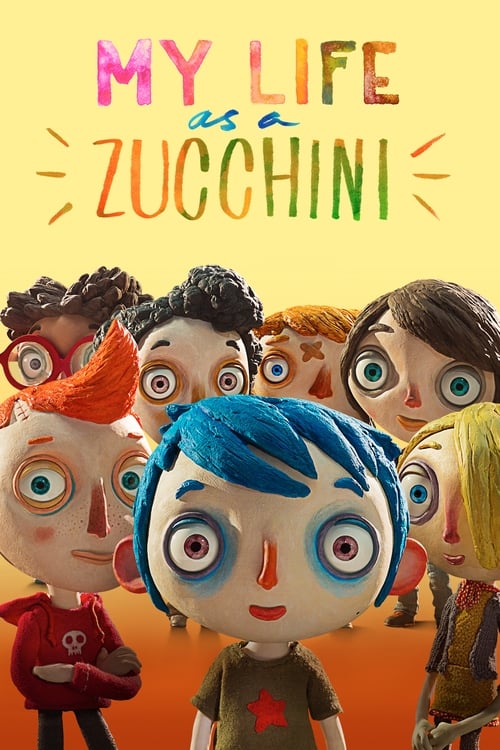
My Life as a Zucchini is a powerful exploration of communal resilience that challenges traditional family structures. It shifts the focus to a 'found family' model, prioritizing emotional intelligence and vulnerability over conventional strength. The film excels by addressing trauma and emotional needs with maturity. By centering the narrative on children displaced by systemic failures, it provides a nuanced perspective on recovery within institutional settings. Though the film does not include explicit LGBTQ+ markers, it rejects rigid social hierarchies and embraces fluid, organic human connections.
Category Breakdown
The film does not include explicit LGBTQ+ characters or romantic pairings, but it explores non-traditional domestic structures without specific symbols indicating sexual orientation or gender identity.
The film disrupts traditional gender hierarchies by emphasizing emotional literacy. Female characters navigate complex social situations with significant influence, while the male protagonist shows vulnerability, challenging typical masculine stoicism.
The diverse cast of orphans in a European institution highlights a cosmopolitan social fabric. The story focuses on the shared experience of displacement rather than specific ethnic backgrounds.
The film critiques traditional Western nuclear families by promoting the 'found family' model. It emphasizes the importance of communal support and the systemic instability of foster care.
Psychological trauma and the hidden disabilities of grief are portrayed with nuance. Characters are shown as complex individuals navigating mental health issues rather than being defined solely by their struggles.
Present on Screen
Limited or Absent
Official Synopsis
After his mother’s death, Zucchini is befriended by a kind police officer, Raymond, who accompanies him to his new foster home filled with other orphans his age. There, with the help of his newfound friends, Zucchini eventually learns to trust and love as he searches for a new family of his own.
2024

2012

2025
2022

2020

2018

2018

2022
No reviews yet. Be the first to share your thoughts on this movie!
Use the rating form above to leave a star rating and optional review.