The Shack
2017
No user ratings available yet
Representation score: 3.5 out of 10
Representation Score
Limited
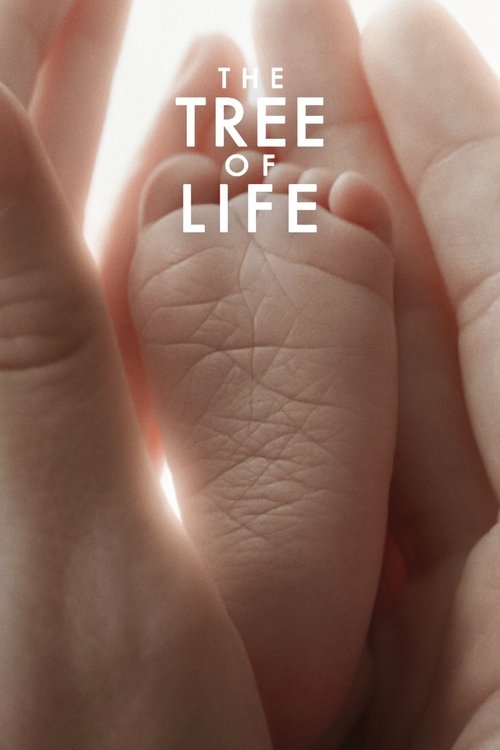
2011
PG-13Director
Terrence Malick
Runtime
139 minutes
Average Rating
No ratings yetNew Showbiz Analysis
The Tree of Life is a philosophical exploration that prioritizes existential themes over demographic diversity. It examines the human condition through a specific, narrow lens of mid-century American life. While the film lacks racial and LGBTQ+ diversity, it successfully challenges traditional gender roles. By portraying the father's patriarchal authority as a source of domestic conflict, it elevates the mother's spiritual wisdom. Ultimately, the film's impact comes from its critique of rigid social and capitalist structures. It trades broad representation for a deep, impressionistic look at the tension between nature and grace.
Category Breakdown
The film focuses solely on a traditional, heterosexual family in 1950s Texas. It does not depict any non-binary gender identities or same-sex relationships.
The story centers on the mother's spiritual influence, contrasting her grace with the father's rigid authority. It challenges mid-century gender hierarchies by emphasizing the importance of maternal emotional leadership over strict patriarchal control.
Set in a specific historical period, the film focuses on a homogeneous, white, middle-class family. It does not include characters of different races or ethnicities.
The film critiques traditional Western cultural structures by highlighting the conflict between materialistic discipline and spiritual grace. It explores moral ambiguity rather than adhering to a single, rigid doctrine.
The film does not feature characters with visible or invisible disabilities as central plot points or identity markers.
Present on Screen
Limited or Absent
Official Synopsis
The impressionistic story of a Texas family in the 1950s. The film follows the life journey of the eldest son, Jack, through the innocence of childhood to his disillusioned adult years as he tries to reconcile a complicated relationship with his father. Jack finds himself a lost soul in the modern world, seeking answers to the origins and meaning of life while questioning the existence of faith.
2017
1955
2013
2021

2001
2013
2015
2017
No reviews yet. Be the first to share your thoughts on this movie!
Use the rating form above to leave a star rating and optional review.