
El padre de mis hijos
2018
No user ratings available yet
Diversity score: 5.8 out of 10
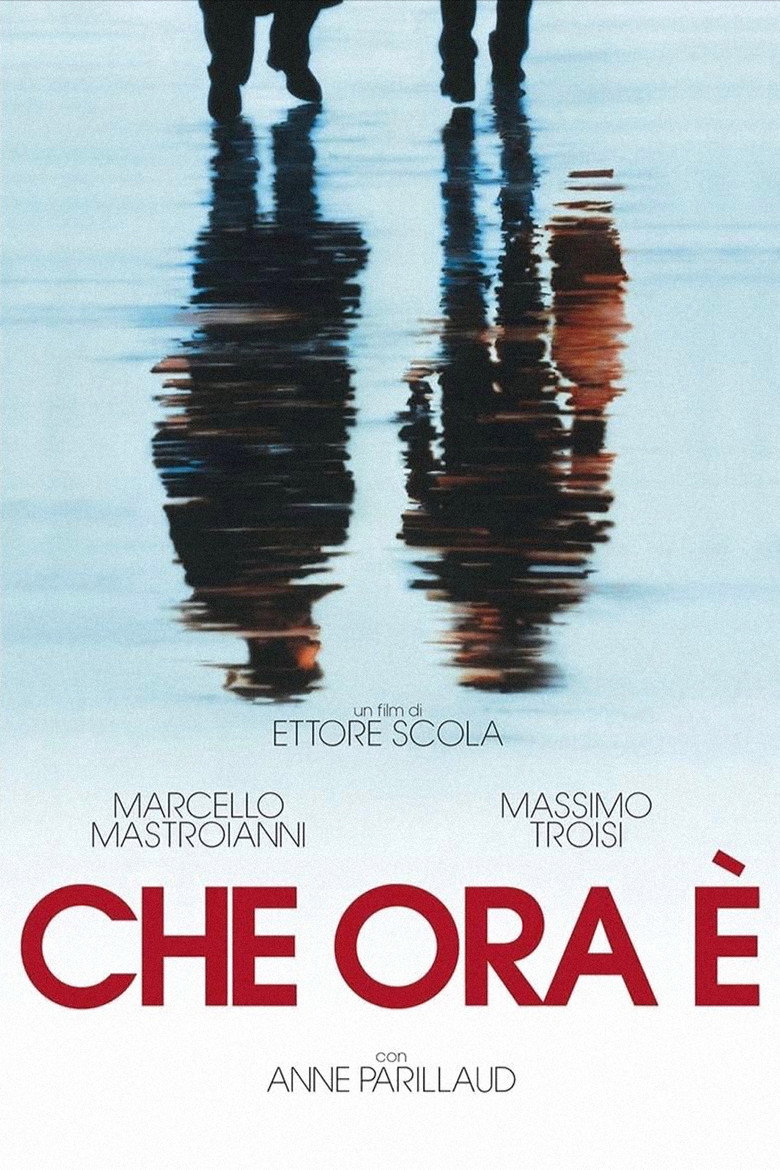
1989
Director
Ettore Scola
Runtime
92 minutes
Average Rating
No ratings yetSynopsis
A father and his son who lived seperated for some time meet each other one day and try to talk their problems over and understand their diametrical differences.
Overall Score
Good
Category Breakdown
LGBTQ+ Representation
The film lacks explicit depictions of same-sex intimacy or non-cisnormative identities. However, its focus on fluid personal experiences and deconstructed social roles creates a space for non-normative connections.
Gender Representation
Scola subverts traditional hierarchies by centering the interior lives and desires of women. This approach prioritizes female agency and positions women as the primary drivers of the film's emotional depth.
Racial & Ethnic Diversity
The film captures a broad spectrum of socioeconomic backgrounds within Rome. While it avoids a monolithic social group, race and ethnicity are not used as primary drivers of identity or conflict.
Religious & Cultural Diversity
The narrative embraces moral relativism and a secular, postmodern worldview. It critiques the alienation of modern capitalist urban environments, favoring subjective experience over institutional or religious guidance.
Disability Representation
The film engages with the invisible mental and emotional struggles of the human condition. There is no explicit evidence of physical or neurodivergent characters being central to the plot.
Strengths
Areas for Improvement
AI Analysis
Ettore Scola’s work excels in its subversion of patriarchal structures, offering a sophisticated look at female agency and the complexities of social navigation. By focusing on the interiority of women, the film moves beyond traditional tropes to provide genuine thematic depth. However, the film remains somewhat neutral regarding specific identity politics. While it avoids monolithic depictions of society, it lacks overt representation of LGBTQ+ identities and does not utilize race or disability as central narrative pillars. Ultimately, the film's strength lies in its humanist, postmodern approach. It prioritizes the fragmented, subjective experience of urban life over rigid social or religious institutions, creating a nuanced portrait of modern existence.
2018
2000
1993
2006

2008
2021
2019
2003
1995
2017

2023

2008
No reviews yet. Be the first to share your thoughts on this movie!
Use the rating form above to leave a star rating and optional review.