Toxic Hot Seat
2013
No user ratings available yet
Representation score: 7.5 out of 10
Representation Score
Good
2004
Director
J.T. Waldron, Cori Brackett
Runtime
90 minutes
Average Rating
No ratings yetNew Showbiz Analysis
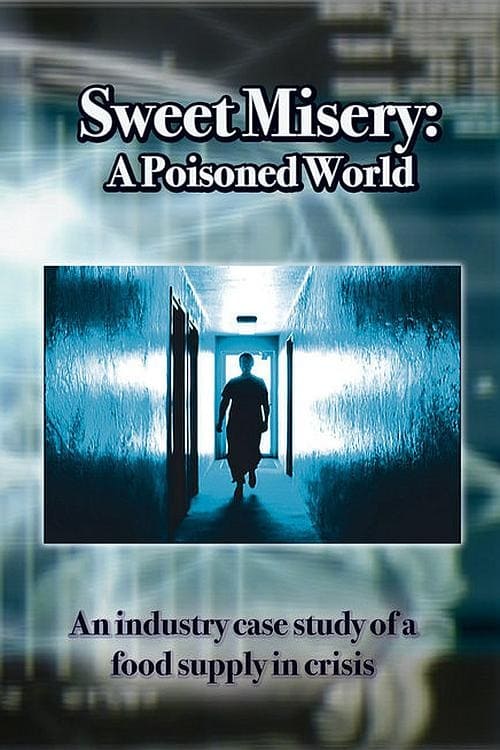
Sweet Misery: A Poisoned World is a deeply personal documentary that centers on the lived experience of its narrator, Cori Brackett. It succeeds by transforming a personal medical crisis into a platform for systemic investigation, particularly regarding disability ability to act. While the film excels in portraying a disabled protagonist with significant intellectual and narrative authority, it lacks breadth in other demographic areas. There is little evidence of racial, ethnic, or LGBTQ+ representation within the provided context. The work's strength lies in its cultural critique of corporate negligence and its subversion of traditional medical clichés, prioritizing individual ability to act over broad demographic variety.
Category Breakdown
The film does not include explicit representations of LGBTQ+ characters or themes. The narrative focuses solely on personal health and corporate accountability.
Cori Brackett serves as a strong female lead who drives the investigation and manages a production company, challenging the passive roles typically associated with women in medical narratives.
The film does not provide specific details about the racial composition of its subjects. The narrative emphasizes a specific medical hypothesis over ethnic diversity.
The documentary critiques Western industrial structures and corporate benevolence. It portrays mass-market consumer products as tools of systemic neglect towards individuals.
The film offers actively leading representation of disability. The protagonist's MS diagnosis serves as a catalyst for intellectual authority and systemic critique rather than mere inspiration.
Present on Screen
Limited or Absent
Official Synopsis
Narrator Cori Brackett had a strange cause-and-effect experience with the diet cokes she was drinking and quickly found herself disabled and diagnosed with MS. Slowly able to walk and speak again, she believes her illness is linked to aspartame. She is a co-owner of a video/film production company. After 7000 miles, and 25 hours of footage, "Sweet Misery" will reveal one of the most pervasive, insidious forms of corporate negligence since tobacco.
2013

2022

2015

2011
2018
2010
2019
2019
No reviews yet. Be the first to share your thoughts on this movie!
Use the rating form above to leave a star rating and optional review.