The Devil We Know
2018
No user ratings available yet
Representation score: 7.8 out of 10
Representation Score
Good
2013
TV-PGDirector
James Redford, Kirby Walker
Runtime
91 minutes
Average Rating
No ratings yetNew Showbiz Analysis
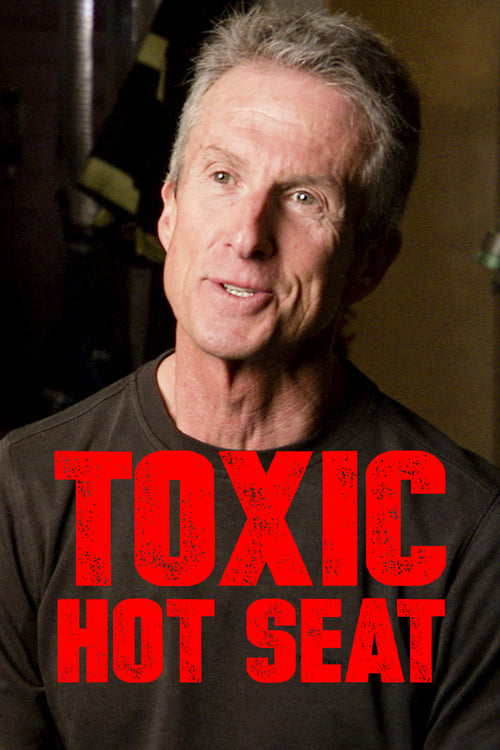
Toxic Hot Seat functions as a systemic critique of corporate accountability. It excels at deconstructing traditional power structures by exposing the deceptive practices of chemical companies and Big Tobacco. This focus on grassroots activism against established authority provides a strong cultural counter-narrative. However, the film lacks specific evidence regarding the identities of its subjects. There is no clear information regarding LGBTQ+ representation or the specific racial and gender makeup of the activists involved. The narrative remains centered on the mechanics of industry regulation rather than individual identity. Ultimately, the documentary prioritizes the investigation of environmental toxins over diverse character studies. While it touches on bodily health, it does not explicitly center the lived experiences of specific underrepresented groups.
Category Breakdown
The film focuses on environmental health and corporate malfeasance. There are no LGBTQ+ characters or narratives addressing non-straight relationships.
The narrative centers on a group of citizens fighting systemic deception. While the gender of these activists is not specified, the documentary format usually allows for diverse voices.
The film addresses a universal public health crisis. While the activists could come from various backgrounds, the film does not specify the racial makeup of the subjects.
The film engages deeply with themes challenging institutional power. It questions the trust in industrial capitalism by portraying corporations as deceivers.
The investigation into how chemicals affect people's health touches on chronic illness. This provides a narrative space for exploring health-related vulnerabilities and bodily autonomy.
Present on Screen
Limited or Absent
Official Synopsis
Chemical flame retardants are everywhere: on our furniture, our homes, even our bodies. Yet, they don't seem to stop fires...but they do make us sick. This film reveals how three chemical companies and Big Tobacco had a hand in contributing to this dangerous standard...and how a courageous group of citizens have begun the fight to expose this shadowy campaign of deception.
2018
2010
2015
2019
2015

2022
2015

2024
No reviews yet. Be the first to share your thoughts on this movie!
Use the rating form above to leave a star rating and optional review.